
When you search for interior design website templates, you are probably not looking for “something pretty.” You are looking for something you can launch quickly, that feels premium, and that helps you win clients.
If you sell furniture or home décor, your website needs to make browsing effortless and purchasing confident. If you offer interior services, you need to showcase your work and make booking a consultation simple. Either way, the goal is the same: turn visitors into customers.
In this guide, we focus on Shopify-based interior design website templates. Shopify is one of the fastest ways to publish a high-end interior website that can both sell products and generate leads, without a custom build.
Next, you will find a curated list of templates that are not only visually strong but also structured to convert.
Table of Contents
What Makes an Interior Design Website Template Convert
A high-performing interior design website template does more than look beautiful. It is designed around a conversion journey: capture attention, build credibility, and make the next step feel obvious. For interior brands and studios, that “next step” is usually one of two actions: buying a product or booking a consultation. The best Shopify-focused templates support both without feeling salesy.
Clear value proposition above the fold
Visitors should understand what you do within seconds. A strong hero section pairs a specific headline with one primary call-to-action, such as Shop the Collection or Book a Consultation. Clarity reduces bounce and improves engagement.
Navigation built for real browsing behavior
Interior shoppers browse by room, style, material, and mood. A conversion-focused template makes it easy to explore through well-structured collections and a clean menu. The goal is simple: fewer clicks to reach relevant products or projects.
Product pages that reduce hesitation
Because price points can be higher, product pages must answer questions fast. Strong templates make space for essentials like:
- High-quality image galleries (lifestyle + detail shots)
- Clear specifications (dimensions, materials, care)
- Shipping, returns, and warranty information
- Reviews or social proof near decision points
Lookbook and portfolio storytelling
Interior design is aspirational. Lookbooks, curated collections, and project sections help visitors imagine the result, increasing time on site and purchase intent.
Strategic calls-to-action and lead capture
High-converting templates place CTAs throughout the journey, not only on a contact page. Done well, it feels helpful, not pushy: repeat CTAs after key sections, add consultation prompts, and keep inquiry forms simple.
A template that converts is not just a design choice. It is a structure that makes trust easy and action effortless.
Top 10+ Interior Design Website Templates (Shopify Picks That Convert)
Trying to build a studio site that actually gets inquiries? These Shopify picks balance beautiful presentation with smart structure—so visitors can browse projects, understand your services, and book a call. If youre evaluating interior design company website templates, you’ll find options here that work well for agencies too. And if you want a portfolio-first setup, a few can be shaped into an interior design portfolio website template or a simple interior designer website template focused on case studies.
| Template | Best For | Catalog Size | Filtering Strength | Storytelling / Lookbook | Conversion Features | Price (USD) |
| Noire – Lignum | Large furniture & décor brands | Medium–Large | Strong | Strong | Collection depth, structured layout | $280 |
| Abode | Minimal décor brands | Small–Medium | Moderate | Strong | Clean UX, fast browsing | $140 |
| Copenhagen (Interior) | Design-led curated stores | Small–Medium | Moderate | Strong | Quick buy, sticky cart, promos | $380 |
| Prestige | Luxury interior brands | Small–Medium | Moderate | Very Strong | Premium presentation, trust sections | $400 |
| Symmetry | Multi-category stores | Medium–Large | Very Strong | Moderate | Mega menu, quick buy | $400 |
| Broadcast | Campaign-driven brands | Small–Medium | Moderate | Moderate | 30+ customizable sections | $420 |
| Motion | Visual / lifestyle brands | Small–Medium | Moderate | Strong | Animation, quick add to cart | $400 |
| Pipeline | Promo-heavy décor stores | Small–Medium | Moderate | Moderate | Countdown, hotspots | $360 |
| Empire | Large inventory retailers | Large | Very Strong | Moderate | Advanced filtering, comparison tools | $340 |
| Loft (Muse) | Boutique curated shops | Small | Light | Strong | Promotion tiles, clean layout | $180 |
Explore more Shopify templates:
- 10+ Best Shopify Templates to Sell Small Number of Products
- Top 10+ Barbershop Website Templates on Shopify [Free & Premium]
- 7+ Best Customer Testimonial Templates for Shopify Stores
Noire — Lignum preset
Platform: Shopify
Best For: Furniture and home décor brands with large catalogs
Catalog Size: Medium → Large
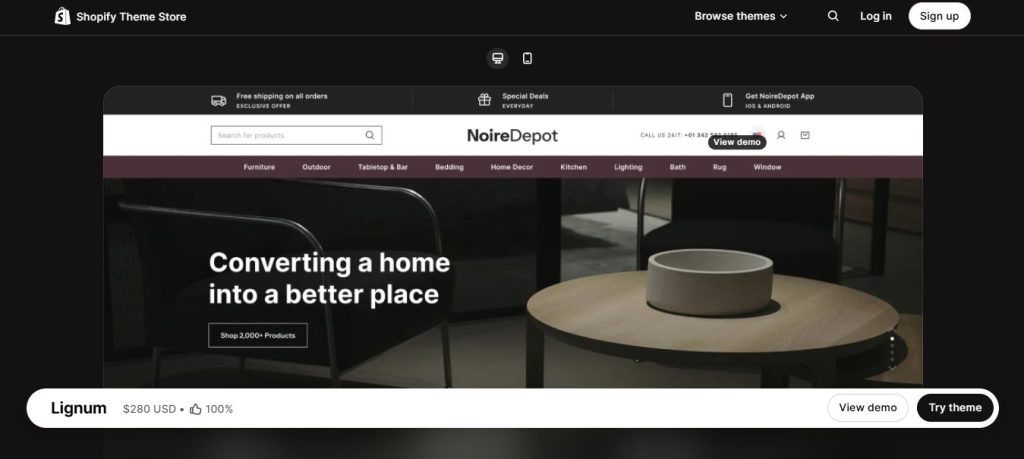
Why It Converts
- Built to organize and filter large catalogs efficiently (less friction, more discovery)
- Collection pages are designed specifically for high-option browsing and comparison
- Flexible layout supports merchandising blocks that keep shoppers moving deeper
- Reviews mention the theme’s interactive features, helping boost sales
Standout Sections
- Structured collection pages with strong filtering
- Editorial-style homepage blocks
- Clean, hierarchy-focused product pages
- Flexible lookbook / featured collection layouts
Ideal For
- Furniture brands with deep catalog
- Decor stores
- Hybrid brands with shop + portfolio
Price:$280 USD
Abode
Platform: Shopify
Best For: Clean, minimal interior brands that rely on photography and calm spacing
Catalog Size: Small → Medium
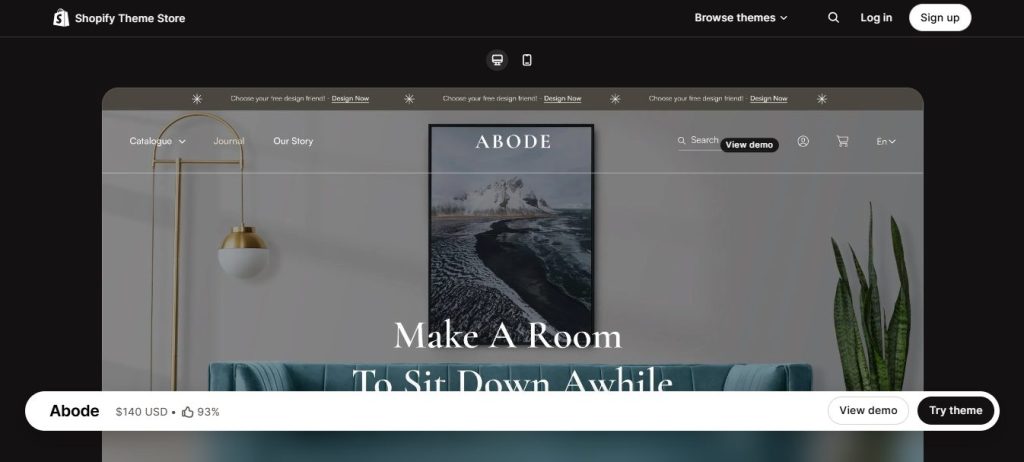
Why It Converts
- Minimal layout reduces distraction and keeps attention on key collections/products
- Strong readability and visual hierarchy support faster decision-making
- Works well for curated catalogs where storytelling and imagery carry the sale
- Consistently high review sentiment suggests reliable UX and support
Standout Sections
- Minimal, image-led homepage
- Clean curated collection grids
- Spacious product galleries
- Simple storytelling/content blocks
Ideal For
- Boutique décor brands (curated drops)
- Minimalist furniture collections
- Lifestyle-led interior shops
Price:$140 USD
Copenhagen — Interior preset
Platform: Shopify
Best For: Nordic-clean, design-led interior stores with visual storytelling
Catalog Size: Small → Medium
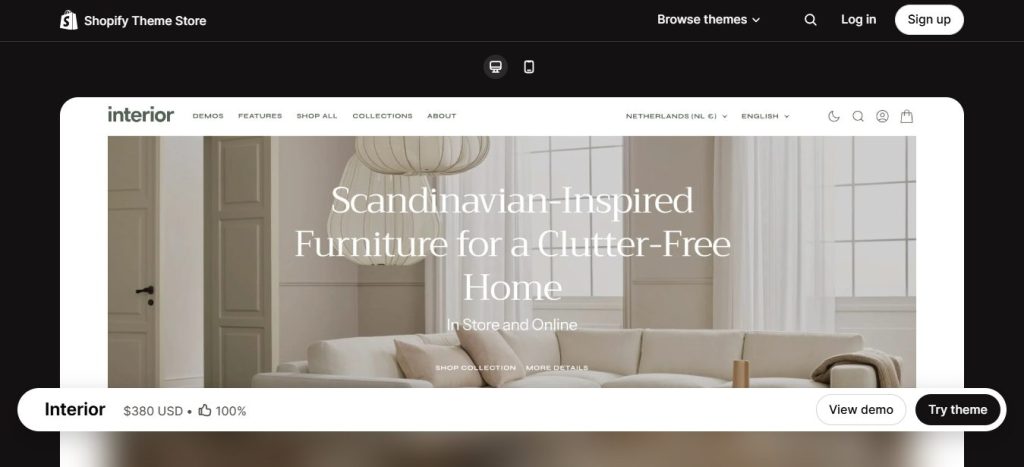
Why It Converts
- Includes conversion tools like quick buy, countdowns, promo popups, sticky carts, and hotspots
- Strong “visual product storytelling” focus suits interior browsing behavior
- Clean structure supports fast scanning and reduces choice overload
- Built-in promotional mechanics help move visitors from browsing to action
Standout Sections
- Modern hero with micro-interactions
- Hotspot-style “shop the room” visuals
- Quick-buy product layouts
- Promo popups and sticky cart elements
Ideal For
- Home décor brands with strong visuals
- Furniture brands selling “room mood” bundles
- Design studios selling curated products
Price:$380 USD
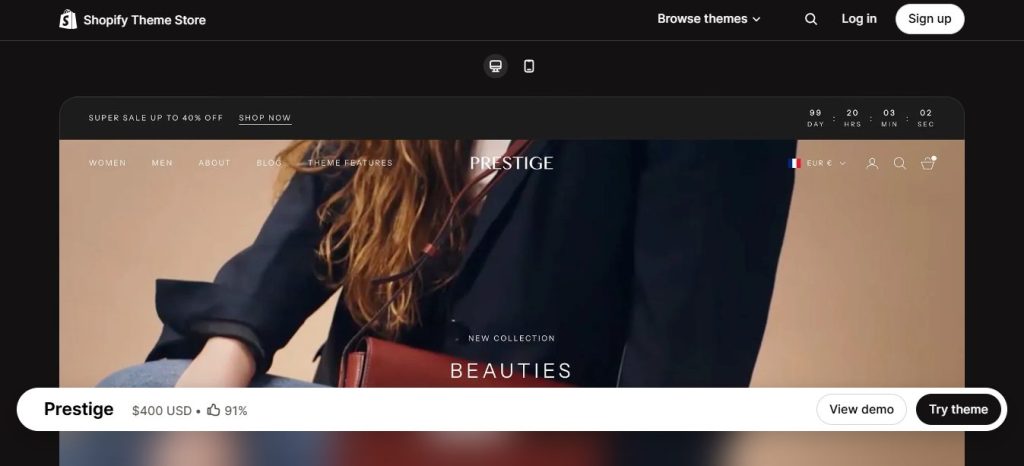
Prestige
Platform: Shopify
Best For: High-end, luxury interior brands that need premium brand presence
Catalog Size: Small → Medium
Why It Converts
- One of the best interior design website templates for “luxury high-end aesthetic,” boosting perceived value
- Strong brand/story sections help build trust before purchase
- Polished layouts support showcasing hero products and signature collections
- A premium visual system reduces hesitation for higher-ticket items
Standout Sections
- Luxury editorial homepage layout
- Brand storytelling sections
- High-end product display modules
- Flexible trust and testimonial blocks
Ideal For
- Luxury furniture brands
- Premium décor and lighting stores
- Brands selling fewer, higher-margin collections
Price:$400 USD
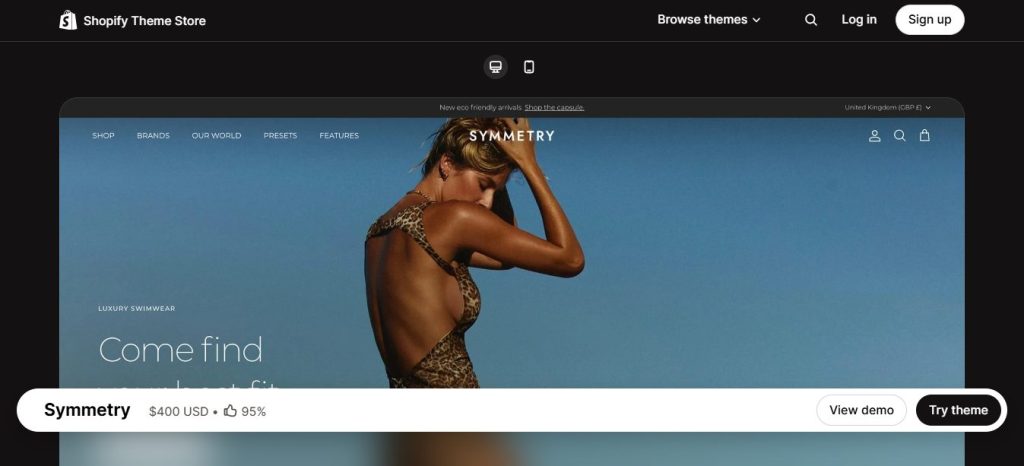
Symmetry
Platform: Shopify
Best For: Stores that need flexible merchandising and many customizable sections
Catalog Size: Medium → Large
Why It Converts
Works well for agencies juggling multiple categories, which is why it often lands in best website templates for interior designers lists.
- “Highly customizable drag-and-drop sections” support testing layouts that sell
- Strong merchandising flexibility helps highlight collections, promos, and bestsellers
- Proven at scale (noted as a top-selling theme), which usually reflects a broad conversion fit
- Allows building multiple landing-style pages without heavy custom dev
Standout Sections
- Mega menu + advanced filtering
- Quick-buy collection browsing
- Highly customizable homepage sections
- Merchandising-focused product layouts
Ideal For
- Furniture + décor stores with many categories
- Brands that run frequent campaigns/seasonal merchandising
- Stores that want maximum layout control
Price:$400 USD
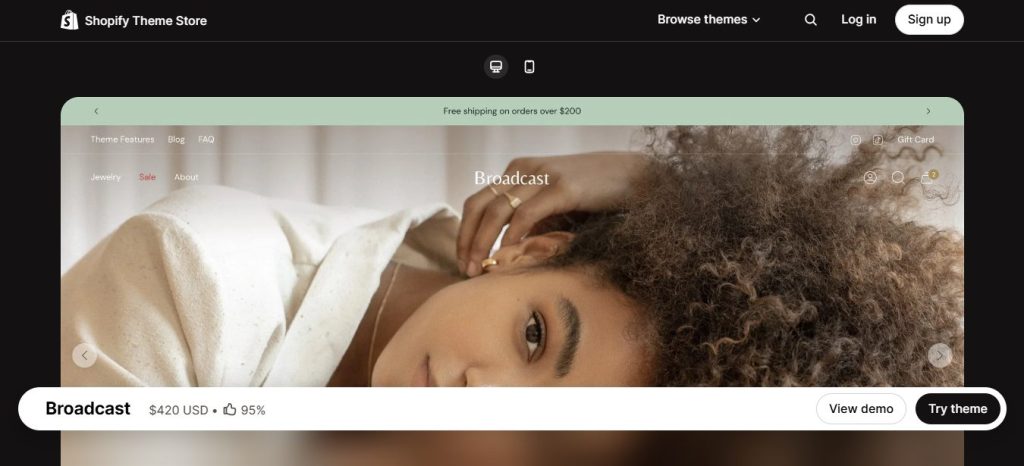
Broadcast
Platform: Shopify
Best For: Brands that want feature depth and many sections to drive sales
Catalog Size: Small → Medium (can scale with strong merchandising)
Why It Converts
- Positioned as “most feature-rich” with 30+ customizable sections
- Designed to “incentivize sales,” which fits promo-heavy interior brands
- Strong for building high-performing landing pages for collections and campaigns
- Flexible section library reduces reliance on extra apps
Standout Sections
- Campaign-ready homepage sections
- Promotion and featured collection blocks
- Conversion-focused product templates
- Flexible landing-style page builder
Ideal For
- Décor brands running frequent promotions
- Furniture brands launching seasonal collections
- Stores that want many conversion sections out of the box
Price:$420 USD
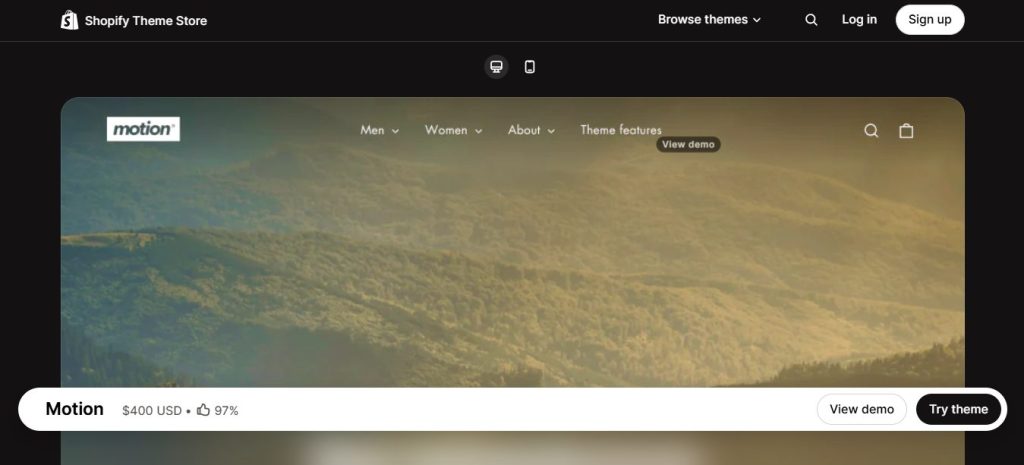
Motion
Platform: Shopify
Best For: Visual-first brands that want animation/video + fast shopping flow
Catalog Size: Small → Medium
Why It Converts
- Built for animation and video to increase engagement and time on site
- Quick Add to Cart from collection pages reduces steps to purchase
- Mobile-first positioning supports conversion on mobile traffic
- Offers multiple templates/sections for landing, product, and collection experiences
Standout Sections
- Video and animated hero sections
- Quick Add to Cart from collections
- Dynamic collage-style collection layouts
- Visual storytelling blocks
Ideal For
- Interior brands relying on lifestyle video/short clips
- Boutique décor stores with strong creative direction
- Brands wanting a more dynamic, “alive” storefront
Price:$400 USD
Pipeline
Platform: Shopify
Best For: Clean, conversion-focused merchandising and campaign-led stores
Catalog Size: Small → Medium
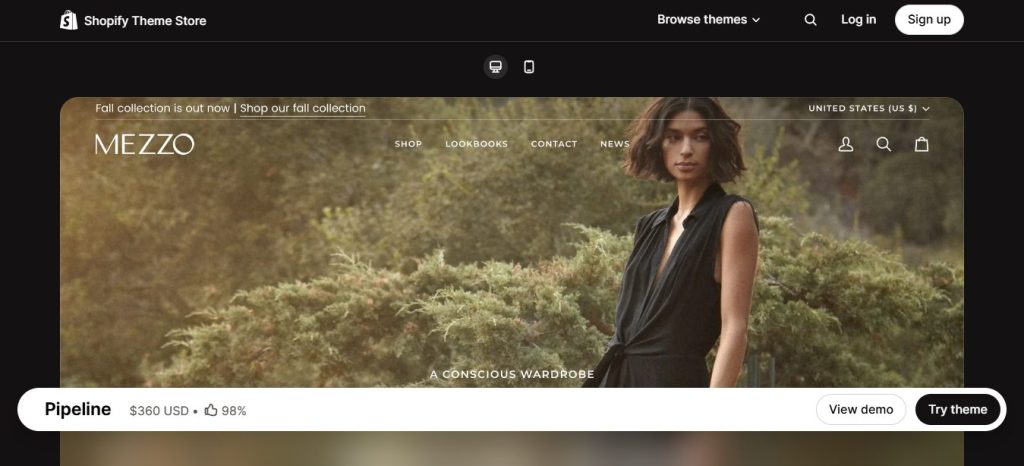
Why It Converts
- Includes conversion merchandising tools like countdowns, hotspots, popups, announcements, and free shipping bars
- Designed to support luxury-style presentation with feature depth (not just minimal)
- Campaign and promo visibility helps move browsers into buyers
- Strong for “collection drop” or seasonal interior launches
Standout Sections
- Countdown and promo bars
- Hotspot-enabled lookbook sections
- Campaign-driven homepage layout
- Clean, merch-focused collection grids
Ideal For
- Home décor brands running launches and promos
- Furniture brands with seasonal collections
- Stores wanting merchandising tools built in
Price:$360 USD
Empire
Platform: Shopify
Best For: Big catalogs that need advanced filters and strong product discovery
Catalog Size: Large
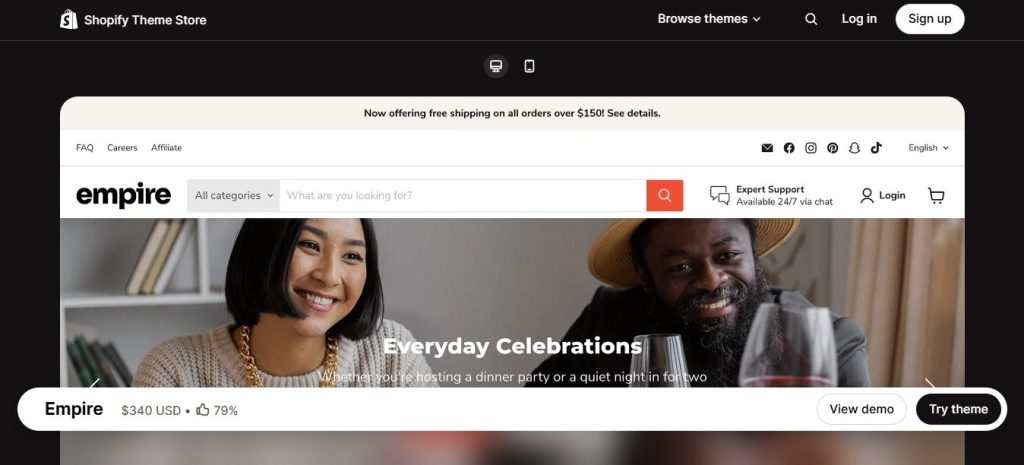
Why It Converts
- Optimized for big catalogs with advanced filters (faster path to relevant items)
- Shoppable images help shoppers understand furniture in context
- Product discovery and comparison features reduce “lost shopper” behavior
- Built for conversion at scale (catalog-heavy stores)
Standout Sections
- Advanced filtering for large catalogs
- Shoppable lifestyle imagery
- Robust collection comparison layouts
- Quick-buy product grid options
Ideal For
- Large furniture retailers
- Multi-category home stores (lighting, rugs, décor, furniture)
- Brands where filtering is critical to conversion
Price:$340 USD
Loft — Muse preset
Platform: Shopify
Best For: Curated brands that want modern, promotion-friendly storytelling
Catalog Size: Small
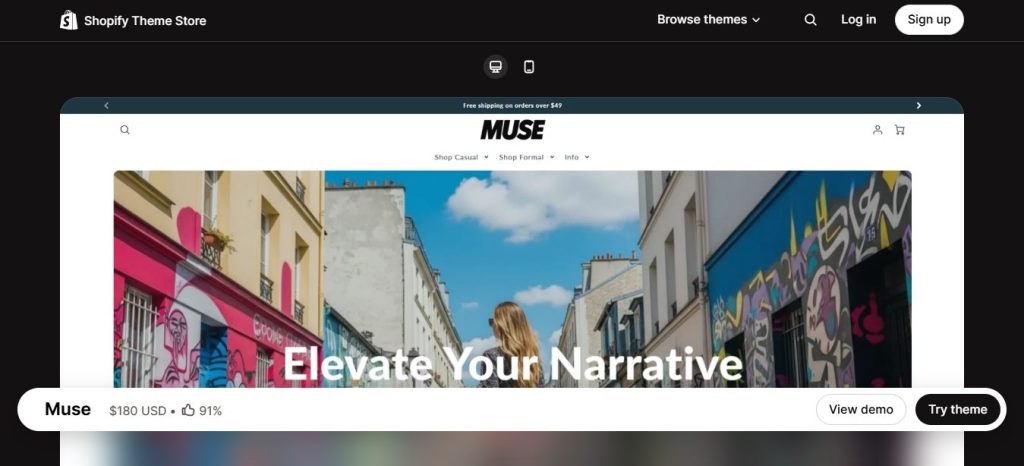
Why It Converts
- “Modern, promotion-focused design” supports featured drops and highlighted collections
- Clean, image-forward layout reduces cognitive load for curated catalogs
- Storytelling-first approach helps sell lifestyle, not just products
- Simple browsing experience supports quicker decisions
Standout Sections
- Promotion-focused homepage layout
- Editorial storytelling sections
- Clean, image-heavy product displays
- Multi-level navigation support
Ideal For
- Boutique décor brands with small catalogs
- Curated furniture collections (signature pieces)
- Brands that rely on promotions and featured drops
Price:$180 USD
How to Choose the Right Interior Design Website Template on Shopify
Choosing the right template is less about trends and more about how your customers browse and buy. Use this quick decision guide.
Start with your primary business model
- Product-first store (furniture/décor): prioritize collections, filtering, and strong product pages.
- Service-first studio (consultations/projects): prioritize portfolio-style sections, trust blocks, and lead capture.
- Hybrid (products + services): prioritize storytelling (lookbook) plus clear shopping navigation.
Match the template to your catalog size
- Small catalog (10–50 products): choose a clean, image-led layout so products feel curated, not crowded.
- Medium catalog (50–300 products): you need solid collection structure and merchandising sections to guide discovery.
- Large catalog (300+ products): filtering and navigation become non-negotiable (shop by room, style, material).
Decide how important “storytelling” is for your brand
If your brand sells a lifestyle (most interior brands do), look for templates that support:
- Lookbook-style sections
- Room-set imagery
- Editorial blocks (materials, craftsmanship, brand story)
Check conversion essentials (do not skip)
A template should make these easy to implement:
- Clear homepage hero + primary CTA
- Trust signals (reviews, guarantees, shipping/returns clarity)
- Strong product gallery and specifications layout
- Email capture or inquiry form placement
Pick based on the most common “best fit” scenarios
- Large furniture catalogs: Noire – Lignum, Empire, Symmetry
- Luxury/premium positioning: Prestige, Noire – Lignum
- Minimal curated décor shops: Abode, Loft (Muse)
- Campaign and promo-heavy brands: Broadcast, Pipeline
- Visual brands using motion/video: Motion, Copenhagen
Conversion Playbook: How to Turn Visitors into Clients
These are practical, high-impact changes you can apply to almost any interior design Shopify template. They focus on reducing friction, building trust fast, and making the next step obvious.
Add “Shop by Room” collections
Most shoppers browse by context, not product names. Create collections like Living Room, Bedroom, Dining, Office, then feature them on the homepage and in your main menu.
Use before-and-after transformation blocks
If you offer services, show outcomes. A simple before/after section (or a short “problem → solution → result” project block) builds credibility quickly and makes visitors more likely to inquire.
Place CTA buttons in three key spots
Make it easy to take action without scrolling forever:
- Top of the homepage (hero section)
- Mid-page after your strongest proof (projects/testimonials)
- Bottom of the page as a final prompt (contact or shop) Use clear CTAs such as Book a Consultation, Request a Quote, or Shop the Collection.
Add testimonials on product pages
Do not hide social proof on a separate page. Place a short testimonial or review block near decision points, especially close to Add to Cart or inquiry prompts.
Optimize product descriptions for clarity
Interior buyers want details. Keep descriptions scannable and include: dimensions, materials, care, delivery timing, and what makes it different. Clear information reduces hesitation.
Simplify homepage navigation
Limit your primary menu to the essentials: Shop, Collections, Projects/Lookbook, About, Contact. Fewer choices usually mean more action.
Optimize mobile speed
Interior sites are image-heavy. Compress images, avoid unnecessary apps, and test mobile load time regularly. Faster mobile pages consistently improve conversion.
FAQs on interior design website templates
What is the best interior design website template for converting visitors?
The best template depends on your catalog size and business model. If you sell many furniture and décor products, prioritize strong collection browsing and filtering. If you are service-led, prioritize portfolio sections and lead capture. For a premium, conversion-focused balance, the Noire – Lignum interior preset is a strong top pick.
Can I use one website template to sell products and book consultations?
Yes. Many interior brands run a hybrid model. Choose a template that supports both: clear shopping navigation (collections and product pages) plus strong storytelling and contact/booking sections (lookbook, projects, inquiry blocks).
How many products are considered a “small” catalog for an interior store?
A practical rule:
- Small: 10–50 products
- Medium: 50–300 products
- Large: 300+ products.
As your catalog grows, filtering and navigation become more important than aesthetics alone.
Do I need “Shop by Room” collections, or is a normal catalog enough?
For interior and home décor, “Shop by Room” often converts better because it matches how people browse. It reduces decision fatigue and helps customers find relevant items quickly.
Are Shopify templates SEO-friendly for interior design keywords?
They can be, as long as you build the content correctly. Use clear headings, descriptive collection and product titles, strong internal linking (rooms, styles, materials), and add helpful content sections like lookbooks or project pages.
What pages should an interior design website include?
At minimum:
- Homepage
- Collections (shop by room/style/material)
- Product pages
- About (credibility)
- Contact/inquiry Optional but powerful: Lookbook, Projects/Case Studies, FAQs, Shipping/Returns.
Should interior designers focus more on portfolio or product pages?
If you sell services, portfolio and case studies are the main trust builders. If you sell products, product pages and collections drive conversion. If you do both, use a lookbook or projects section to support sales and inquiries.
What is the fastest way to increase conversions without changing templates?
Start with the basics:
- Add a clear CTA in the hero section
- Add testimonials near decision points
- Improve product descriptions and specs
- Simplify navigation
- Optimize mobile speed
Conclusion — Choose Structure Over Beauty
Aesthetic matters. In interior design, visual impression is everything. Your website must feel refined, intentional, and aligned with your brand.
But beauty alone does not convert.
Structure converts.
Clear navigation converts.
Strong product pages convert.
Strategic calls-to-action convert.
The right interior design website template gives you more than a polished layout. It gives you a proven framework for guiding visitors from inspiration to confidence to action. Instead of spending months on custom development, you can launch faster with a template already built around merchandising, storytelling, and conversion fundamentals.
When the structure is right, your design work shines even brighter. And your website starts working for you — generating sales, inquiries, and long-term growth.
If you want a premium, conversion-ready starting point, the Noire–Lignum interior template stands out as the strongest overall choice in this list.