
Fitness business ideas continue to attract entrepreneurs as more people prioritize health, flexibility, and long-term well-being. From online coaching to in-person training, today’s fitness businesses are no longer limited to traditional gyms. Digital tools, remote services, and niche-focused programs have made it easier than ever to start a fitness business with lower upfront costs and greater scalability.
Whether you are a personal trainer, coach, or fitness enthusiast looking to turn your expertise into income, choosing the right model is a critical first step. In this guide, we explore practical fitness business ideas that reflect current market demand and realistic opportunities, helping you identify an approach that aligns with your skills, resources, and long-term goals.
Table of Contents
Online Fitness Business Ideas
Designed for flexibility and reach, these ideas are built on scalable, location-independent models that allow fitness professionals to work with clients beyond geographic boundaries. By minimizing reliance on physical spaces, this approach often lowers operating costs and makes long-term growth more achievable.

1. Online personal training
Online personal training involves delivering customized workout programs, progress tracking, and coaching remotely. Trainers often communicate through video calls, messaging apps, or training platforms. This model allows professionals to work with more clients while maintaining personalized guidance. It is especially appealing to clients who value flexibility and privacy.
2. Virtual group fitness classes
Virtual group fitness classes bring the energy of group workouts into an online setting. Sessions can be live or pre-scheduled, helping participants stay motivated through shared experiences. This model enables instructors to train multiple clients at once, improving time efficiency. It also helps foster a sense of community without requiring a physical studio.
3. Fitness coaching via apps or Zoom
This approach focuses on one-on-one coaching through video calls and digital tools. Coaches can provide training advice, accountability check-ins, and lifestyle guidance. Clients often appreciate the direct support combined with the convenience of remote access. The model works well for both short-term programs and long-term coaching relationships.
4. On-demand workout video subscriptions
On-demand workout libraries give users access to pre-recorded training sessions at any time. Subscriptions create predictable, recurring revenue while reducing reliance on live sessions. This model allows fitness professionals to scale their content without being tied to a strict schedule. It suits audiences with varying time availability.
5. Fitness programs for specific goals
These programs focus on outcomes such as weight loss, mobility improvement, or rehabilitation support. Clear goals help attract clients who are actively seeking solutions to specific problems. Structured programs often include progress milestones and educational content. This clarity makes them easier to market and deliver effectively.
In-Person Fitness Business Ideas
Success in this space depends heavily on community-driven, high-trust models where in-person interaction strengthens accountability and loyalty. Direct engagement helps build lasting relationships, making these ideas particularly effective in local and relationship-focused markets.
6. Boutique fitness studio
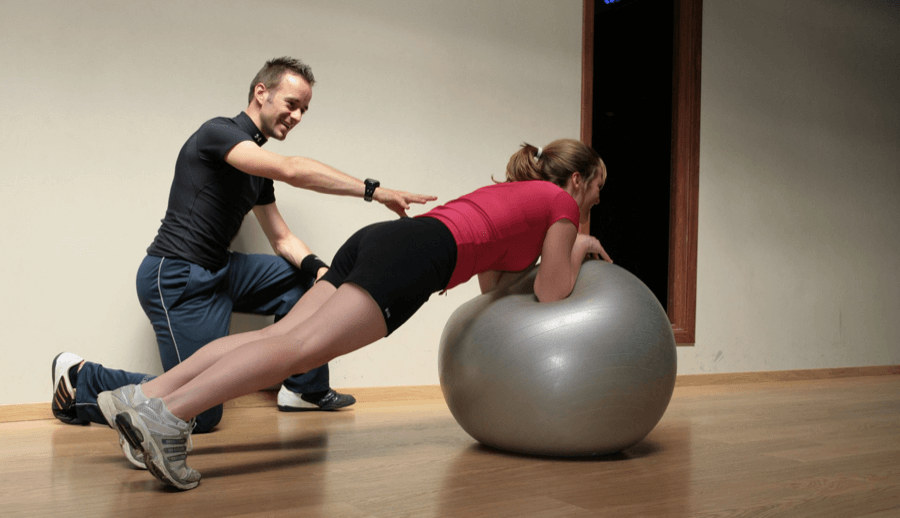
Boutique studios focus on specialized training styles such as yoga, HIIT, or pilates. They offer a more personalized experience compared to large commercial gyms. Members often value the sense of belonging and instructor attention. This model works well in areas with strong local demand.
7. Personal training studio
A personal training studio provides one-on-one or small group coaching in a controlled environment. Trainers can tailor sessions closely to each client’s needs and goals. The personalized nature of this model supports premium pricing. It also builds strong trainer-client relationships.
8. Outdoor bootcamp training
Outdoor bootcamps are one of the most practical mobile business ideas in the fitness industry, using public spaces to host group workouts and reduce facility costs. The energetic atmosphere often appeals to people who enjoy variety and social interaction. Sessions are typically short and intense, fitting busy schedules. Weather and location planning are key considerations.
9. Corporate wellness programs
Corporate wellness programs serve businesses looking to improve employee health and productivity. Services may include group workouts, fitness challenges, or educational sessions. These programs often involve longer-term contracts rather than individual memberships. They can provide stable and predictable income.
10. Kids and youth fitness programs
Fitness programs for children focus on movement, coordination, and healthy habits. Activities are usually designed to be fun and age-appropriate. Parents value programs that promote physical development and confidence. Partnerships with schools or community centers can support growth.
Niche & Specialized Fitness Business Ideas
By focusing on clearly defined audiences, these approaches benefit from higher margins and less competition. Specialization enables fitness professionals to deliver targeted solutions, stand out in crowded markets, and charge premium rates based on expertise.
11. Fitness for seniors
Senior fitness programs emphasize safety, balance, and mobility. Sessions are designed to support healthy aging and independence. This demographic often prefers consistency and long-term guidance. Trust and clear communication are essential in this niche.
12. Prenatal and postnatal fitness coaching
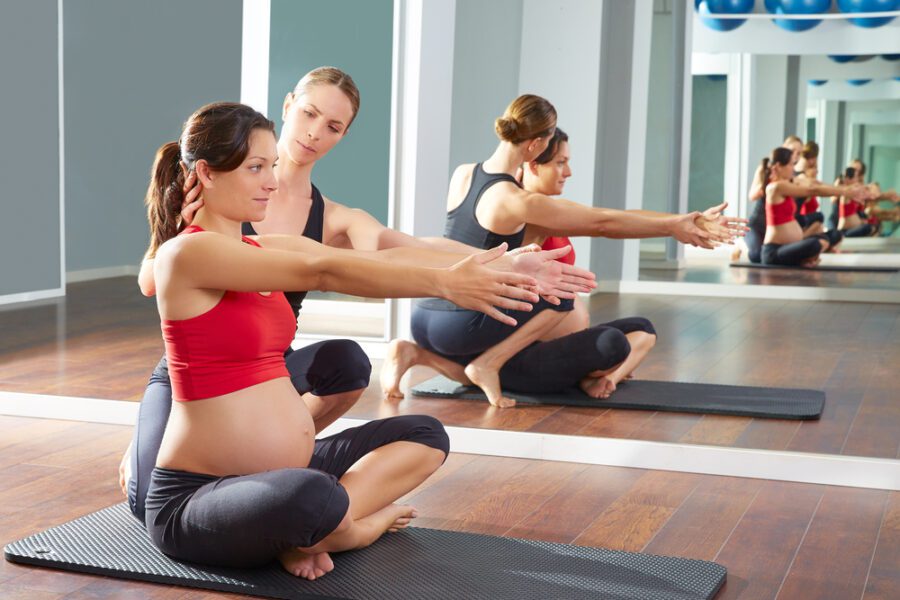
These programs address physical changes during and after pregnancy. Coaches must understand proper techniques and safety considerations. Clients seek reassurance, expertise, and personalized care. The niche benefits from strong word-of-mouth referrals.
13. Recovery and mobility training
Recovery-focused fitness helps clients reduce pain and improve movement quality. Programs often complement strength or endurance training. This model attracts individuals dealing with injuries or stiffness. Education and gradual progress are key components.
14. Sports-specific training
Sports-specific training tailors workouts to athletic performance needs. Programs may focus on strength, agility, or endurance for a particular sport. Athletes value measurable improvement and injury prevention. Specialized knowledge is a strong competitive advantage.
15. Fitness for busy professionals
These programs are designed around limited time and demanding schedules. Workouts are typically short, efficient, and flexible. Clients value structure and clear results. This niche aligns well with urban and corporate lifestyles.
Digital & Content-Driven Fitness Ideas
These opportunities are centered on monetization through audience, where consistent content and value-building come before revenue. Once trust is established, income can be generated through subscriptions, partnerships, or digital offerings.
16. Fitness influencer or coach brand
This model centers on building a recognizable personal brand. Content may include workouts, education, or lifestyle insights. Revenue can come from partnerships, programs, or products. Authenticity is essential for long-term growth.
17. YouTube fitness channel
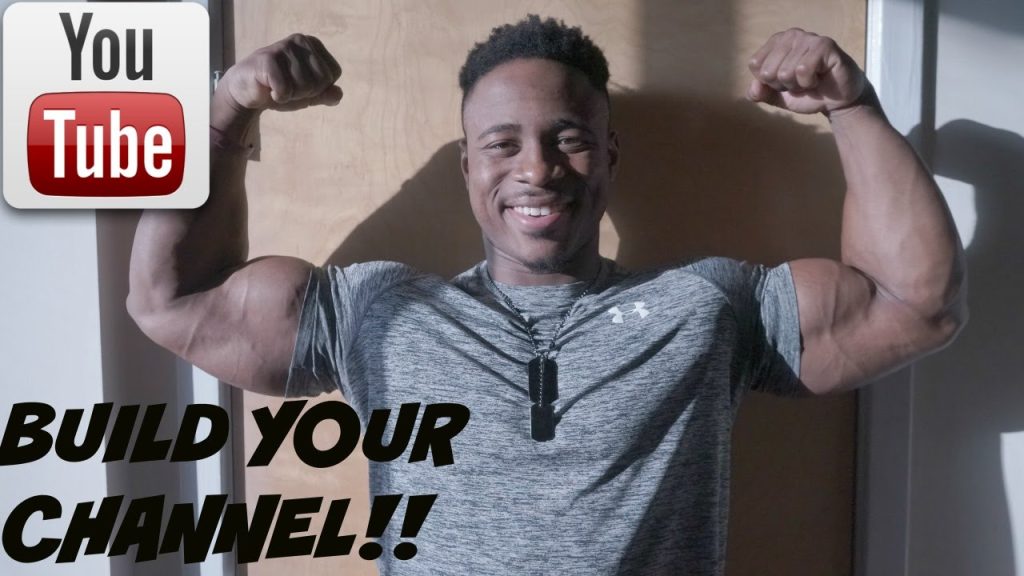
YouTube channels allow creators to share workouts or fitness education at scale. Videos can generate income through ads and collaborations. Consistent posting helps build visibility and trust. Over time, content becomes a long-term asset.
18. Paid fitness newsletters
Paid newsletters deliver exclusive insights or structured guidance via email. Subscribers value concise and practical information. This model requires minimal overhead once established. Strong expertise helps justify paid access.
19. Fitness podcast with sponsorships
Podcasts provide a platform to discuss fitness topics and interview experts. Sponsorships and partnerships can generate income as the audience grows. Podcasts help build authority and deeper connections. Consistency is crucial for audience retention.
20. Online fitness challenges and communities
Challenges encourage participation and accountability over a set period. Online communities provide support and motivation. These programs often lead to repeat engagement. Clear structure improves completion rates.
Product-Based Fitness Business Ideas
Built around physical and digital products, these ideas create revenue without requiring ongoing live delivery. After initial development, products can be sold repeatedly, allowing fitness businesses to scale efficiently with the right distribution strategy.
21. Fitness apparel brand
A fitness apparel brand works best when it represents a clear identity, such as yoga lifestyle, gym culture, or athletic performance. Customers often buy fitness clothing not only for function, but also for the style and message it communicates. Strong branding, clean design, and consistent visuals help differentiate in a competitive market. Quality matters because repeat purchases depend on comfort and durability. Many apparel brands grow faster when linked to a personal brand or fitness community.
22. Home workout equipment
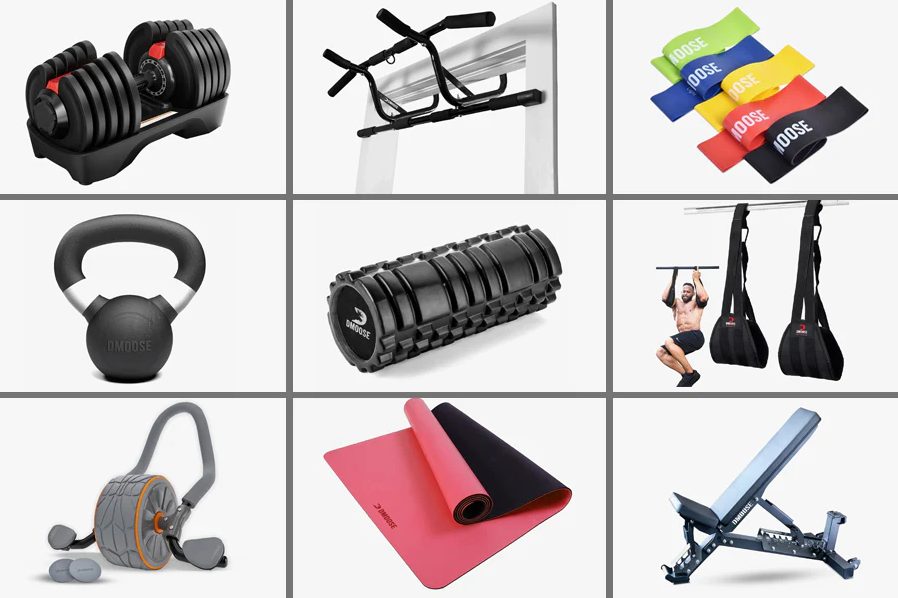
Home workout equipment businesses target people who prefer training at home, whether for convenience, privacy, or time-saving. Products that perform well are usually compact, easy to store, and beginner-friendly. Clear instructions, safety guidance, and strong product demonstrations increase buyer confidence. The market remains strong due to growing interest in home fitness and flexible routines. Bundles and starter kits can also help increase average order value.
23. Digital workout plans and ebooks
Digital workout plans and ebooks offer structured guidance for customers who want to train independently. They are easy to distribute instantly and can be updated over time without extra production costs. Buyers look for clarity, realistic progression, and well-organized programs that match their goal. Including exercise explanations, weekly schedules, and form tips improves user results. This is one of the best low-cost fitness business ideas because it scales without requiring more time per customer.
24. Meal plans and nutrition guides
Meal plans and nutrition guides support fitness goals by helping people eat consistently and correctly. High-performing guides usually focus on simplicity, realistic habits, and meal options that fit different lifestyles. Trust is essential here, so clarity and credible guidance matter more than hype. Many customers prefer structured plans because they reduce decision fatigue and save time. These products can also be paired with workout plans for a stronger overall fitness solution.
25. Fitness tracking templates and tools
Fitness tracking templates help users monitor workouts, progress, habits, and consistency over time. These tools are valuable because they make progress visible and create accountability. Digital formats such as spreadsheets, printable trackers, or app-based templates allow easy customization for different goals. The best tracking tools are simple to use and designed for real-life routines, not perfection. This type of product can generate ongoing sales because it suits both beginners and experienced fitness enthusiasts.
How to Choose the Right Fitness Business Idea
Balance Skills, Passion, and Market Demand
Start by evaluating what you are skilled at and genuinely enjoy doing, but do not stop there. A fitness business becomes sustainable only when there is clear market demand. The strongest ideas usually sit at the intersection of expertise, interest, and real customer needs.
Consider Your Startup Budget
Different fitness business ideas require different levels of investment. Some models can be launched with minimal tools and software, while others need equipment, space, or certifications. Understanding your budget early helps you choose a model that is financially realistic and reduces unnecessary risk.
Decide Between Online, Offline, or Hybrid Models
Choosing how your business operates will shape everything from pricing to daily workflow. Online models offer flexibility and a wider reach, while offline businesses rely on location and personal connection. Hybrid models combine both approaches and can provide balance if managed well.
Think About Scalability and Long-Term Growth
A good fitness business idea should grow with you over time. Consider whether the model allows you to expand services, increase revenue without adding proportional workload, or adapt to market changes. Long-term thinking helps turn a small idea into a sustainable business.
Bonus Tip: Creating a Professional Fitness Website
A professional website can make a big difference for fitness businesses, especially when potential clients want to check your credibility before buying a program, booking a session, or joining a challenge. While social media is useful for reach, a website gives you a stable place to explain your offer clearly, showcase results, and guide visitors toward action—helping improve trust and conversions over time.
Why a website increases credibility and conversions
Fitness is a trust-based industry, and clients often look for reassurance before committing. A well-designed website makes your business feel more established and helps visitors quickly understand who you help, what you offer, and how to start. It also reduces friction by putting key information in one place, instead of forcing people to message back and forth.
Key pages every fitness business needs
To keep things simple and effective, most fitness websites only need a few core pages:
- About (your story, mission, qualifications, coaching style)
- Programs (what you offer, what’s included, who it’s for)
- Pricing (packages, tiers, or “starting from” pricing)
- Contact (contact form + links to social profiles)
Why the Neat theme is a strong fit for fitness websites
If you want your website to look polished without spending weeks on design, choosing the right theme helps a lot. The Neat theme by BoostifyThemes is a perfect option for fitness brands because it’s built around clean typography, strong visuals, and modern layout choices – ideal for showcasing workouts, transformations, coaching programs, or fitness products without overwhelming visitors.
It’s also designed with features like multi-level menus and a responsive design, which matters because a large portion of fitness traffic comes from mobile users.
If your goal is to launch quickly with a design that already looks “premium,” Limitless works well as a starting point, especially for personal trainers, studios, sports brands, and creators who want an energetic feel while still keeping the website clean and easy to navigate. It is recommended to have a look at these gym website design examples.
Final Thoughts: Turning a Fitness Idea into a Sustainable Business
Turning fitness business ideas into a sustainable income stream is less about doing everything at once and more about executing the basics well. Start small with one clear offer, test it with real clients, and adjust quickly based on feedback. When you validate fast, you reduce risk and learn what actually works in your market.
Before trying to scale, focus on building trust. In the fitness industry, credibility is everything—clients stay longer and refer others when they see real support, professionalism, and consistent results. A strong reputation will always outperform short-term marketing tactics.
Finally, prioritize long-term client outcomes instead of chasing trends. Trends may create quick attention, but sustainable businesses are built on real transformation, healthy habits, and programs that help clients make lasting progress.
As your business grows, it also helps to create a professional fitness website that clearly presents your services, pricing, and brand story in one place. Choosing a good theme like Neat can make your site look polished and consistent, helping potential clients feel confident taking the next step.