
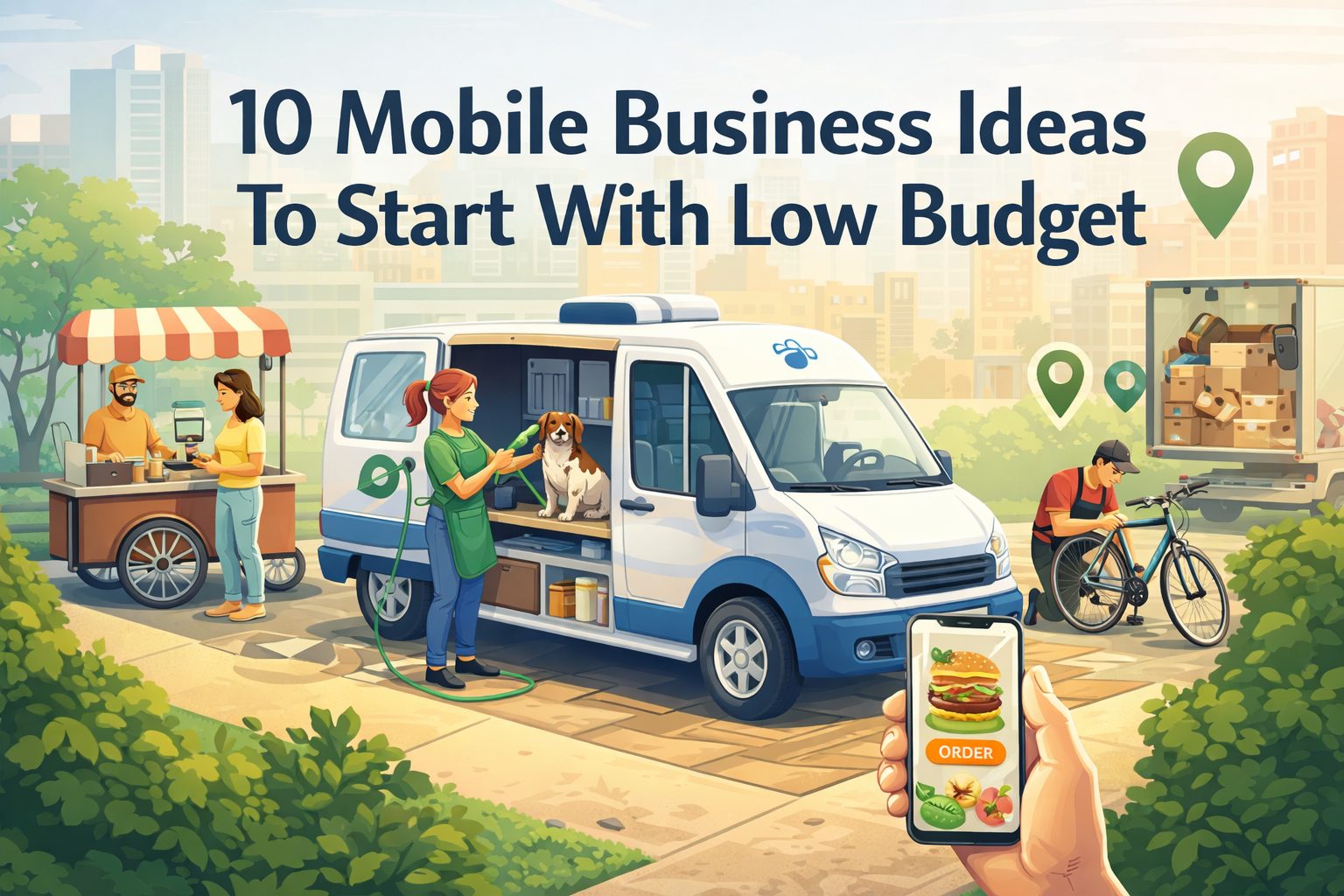
Starting a business no longer means renting a shop, hiring staff, or investing a huge amount of money upfront. In 2026, more people are choosing mobile businesses where they can bring services directly to customers or work from anywhere with minimal setup. The appeal is simple: lower risk, faster launch, and the flexibility to test ideas without being tied to one location.
But here’s the problem: most “mobile business ideas” you find online sound good in theory, yet fail in real life because they ignore demand, pricing, or execution.
This guide is different. Instead of listing random ideas, we focus on practical, low-budget models that can actually generate income quickly. Whether you’re looking for a side hustle or planning to build something bigger, the ideas below are chosen based on real demand, ease of starting, and earning potential.
If you want something you can start this month—not someday—keep reading.
Table of Contents
What Is a Mobile Business (And Why It’s Growing Fast)
A mobile business is a model that operates without a fixed location. Instead of relying on a physical store, you bring your products or services directly to customers—whether that’s at their home, workplace, or through a flexible, on-the-go setup. This approach flips the traditional model: instead of waiting for customers to find you, you go to them.
Why Mobile Businesses Are Taking Off in 2026
This isn’t just a trend—it reflects a deeper shift in how people live and consume services.
Mobile businesses are growing fast because they align closely with modern expectations:
- Convenience is no longer optional. People are increasingly willing to pay for services that save time and reduce effort. Instead of driving somewhere, waiting, or comparing options, they prefer solutions that come directly to them.
- Flexible lifestyles are becoming the norm. With remote work and less rigid schedules, daily routines are no longer tied to specific locations. This makes location-based businesses less relevant, while mobile services fit naturally into how people live today.
- Starting a business is more accessible. Without rent, large inventory, or long-term commitments, you can launch quickly and test your idea with minimal risk. This allows you to adjust based on real demand instead of guessing upfront.
What makes this model especially powerful is how these factors reinforce each other. Customers want speed and convenience, while new entrepreneurs want simplicity and low risk. Mobile businesses sit right in the middle, making them one of the few models that work well for both sides.
Pros & Cons
Pros:
- Low overhead costs since there is no need to rent a physical space
- Flexible schedule that can adapt to your availability
- Easier to start alone, especially with service-based ideas
Cons:
- Harder to build trust without a physical storefront
- Legal and permit requirements can vary depending on your location
- Payment and logistics can become complex without clear systems in place
Who Should Start a Mobile Business (And Who Shouldn’t)
If you spend time browsing forums or communities like Reddit, you’ll notice a clear pattern: more and more people are actively looking for business ideas they can actually start—not just learn about.
Many of these discussions come from people who:
- have been researching online business models for months
- feel overwhelmed by complexity (apps, SaaS, dropshipping…)
- want something practical that can generate income sooner
Who Should Start a Mobile Business
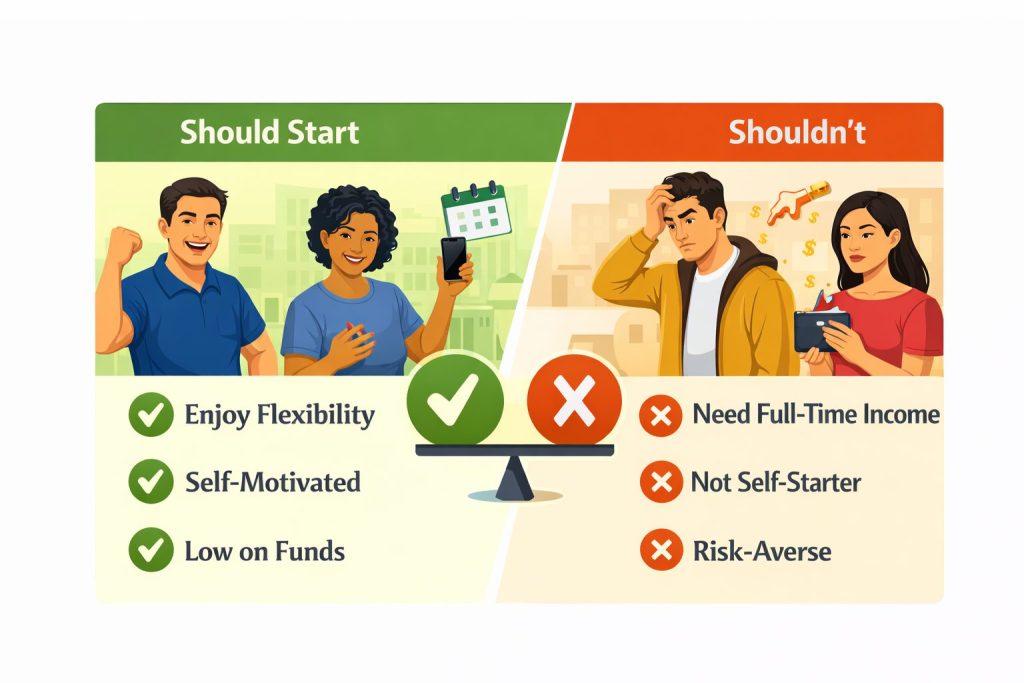
Mobile businesses are a strong fit for people who want to move from thinking to doing.
- People who want to start but feel stuck: If you’ve been consuming content but haven’t taken action, this model lowers the barrier and helps you get started quickly.
- Beginners with limited capital: You don’t need a shop, large inventory, or complex systems to begin.
- Freelancers or solo operators: It works well if you prefer independence and want to control your own schedule.
- Those who prefer practical, real-world work: You interact with customers, solve clear problems, and see immediate results.
Who It May Not Be Right For
At the same time, mobile businesses are often misunderstood. They are simple—but not effortless.
- If you’re looking for passive or automated income, most mobile businesses require your time and involvement, especially at the beginning.
- If you don’t enjoy dealing with customers, communication and trust are a core part of this model.
- If you expect fast scaling without hands-on work, growth usually comes after consistent execution, not before.
10 Mobile Business Ideas You Can Start With a Low Budget (2026)
Not all mobile business ideas are equal. Some look good on paper but are hard to execute, while others are already working quietly in real markets.
The ideas below are selected based on three things: real demand, low startup barrier, and relevance to current trends.
1. Mobile Short-Form Content Creation for Local Businesses
Create TikTok and Instagram Reels content for local businesses directly at their location.
This is one of the easiest mobile businesses to start right now. You visit places like cafés, gyms, salons, or small restaurants and film multiple short-form videos in a single session. Then you edit and deliver ready-to-post content optimized for platforms like TikTok or Instagram Reels.
Most business owners already know video content works, but they don’t have the time or skills to film consistently. That’s where you come in. Instead of selling “marketing,” you’re offering a simple service: consistent content that brings visibility.
Best for: beginners, freelancers, or anyone familiar with short-form video platforms
Startup cost: under $100 (phone, tripod, basic mic)
How you make money:
- $50–$150 per filming session (5–10 videos)
- $200–$800/month for ongoing content packages
- Additional services like captions, posting, or ad creatives
How to get your first clients:
Start by finding local businesses with inactive or low-quality social media. Offer to create one free sample video to show what’s possible. Once they see the result, pitch a simple monthly package focused on consistent posting.
Why this works in 2026:
Short-form video continues to dominate social media, but most local businesses still struggle to produce content regularly. This creates a clear gap between demand and supply. It’s also easy to turn this into recurring income, since businesses need content every week—not just once.
2. Mobile Tech Support for Non-Tech Users
Help people set up, fix, and use their devices at home

This business focuses on customers who struggle with everyday technology—especially older adults or busy people who don’t want to deal with technical issues themselves. You travel to their home and help with simple but essential tasks like setting up smartphones, installing apps, fixing Wi-Fi problems, or connecting smart home devices.
You don’t need to be a professional technician. What matters most is being reliable, patient, and able to explain things clearly. Many clients are willing to pay for convenience and peace of mind rather than trying to fix problems on their own.
Best for: beginners with basic tech knowledge, students, or anyone comfortable with smartphones and home devices
Startup cost: near $0 (just your phone and transportation)
How you make money:
- $20–$50 per visit (simple fixes)
- $50–$100 for more complex setups (Wi-Fi, smart home)
- Monthly or on-call support for repeat clients
How to get your first clients:
Start with your local area. Offer help in community groups, neighborhood forums, or through referrals from friends and family. You can also partner with small electronics shops that don’t provide home service.
Why this works in 2026:
More people rely on technology every day, but not everyone knows how to use it confidently. At the same time, convenience is becoming more valuable than ever. Many customers prefer paying someone to come to their home instead of going to a repair shop, especially when they can trust you and call you again in the future.
3. Mobile Car Detailing (Premium Service)
Provide high-end car cleaning and maintenance at home or office
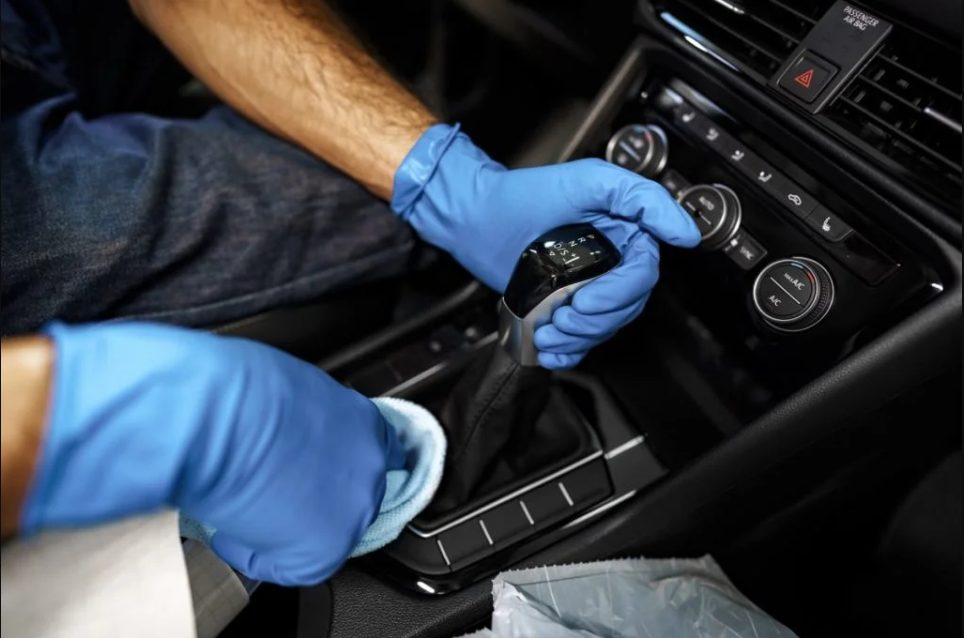
Unlike a basic car wash, this business focuses on premium services such as deep interior cleaning, exterior polishing, waxing, and long-term maintenance. You bring your equipment directly to the customer, saving them time and delivering a more personalized experience.
The key difference is positioning. You’re not offering a cheap wash—you’re offering convenience, quality, and care. Busy professionals and car owners are often willing to pay more to have their vehicle cleaned without leaving home or waiting in line.
Best for: people who don’t mind physical work and want a service business with higher pricing potential
Startup cost: $200–$500 (cleaning tools, vacuum, basic supplies)
How you make money:
- $50–$150 per car (depending on service level)
- $200–$500 for full detailing packages
- Monthly maintenance plans for repeat customers
- Upsells: waxing, coating, interior protection
How to get your first clients:
Start with neighborhoods, office areas, or apartment complexes. Offer a discounted first service or bundle deal to attract early customers. Before-and-after photos are especially powerful for building trust and getting referrals.
Why this works in 2026:
More people value convenience and are willing to pay for services that save time. Premium positioning allows you to charge higher prices than traditional car washes, while recurring maintenance packages create stable, predictable income over time.
4. Mobile Cleaning Service (Subscription-Based)
Offer recurring cleaning plans instead of one-time jobs

Instead of constantly finding new customers, you focus on building a base of clients who need cleaning on a weekly or monthly schedule. You visit their home or workspace regularly and provide consistent service based on a fixed plan.
This approach shifts your business from unpredictable, one-off income to a more stable and manageable system. Over time, you can plan your schedule more efficiently and reduce the effort spent on finding new clients.
Best for: people who want a predictable income and are open to service-based work
Startup cost: $50–$150 (basic cleaning supplies)
How you make money:
- $30–$80 per visit (basic cleaning)
- $100–$300/month per client (subscription plans)
- Add-ons: deep cleaning, move-out cleaning, office cleaning
How to get your first clients:
Start with nearby neighborhoods or apartment buildings. Offer a simple monthly plan (e.g., weekly cleaning) at a slightly discounted rate compared to one-time services. Referrals and word-of-mouth grow quickly in this niche.
Why this works in 2026:
Cleaning is a recurring, essential need, especially in urban areas where people are busy and willing to outsource routine tasks. A subscription model creates stable income, while the service itself is easy to scale by adding more clients or hiring additional help as demand grows.
5. Pet Grooming and Home Pet Care
Provide grooming and pet care services directly at customers’ homes

Many pet owners struggle to find time for grooming appointments or don’t want to put their pets through the stress of traveling. This creates an opportunity for a simple but valuable service: visiting clients at home and handling everything from basic grooming to feeding or short-term care.
Over time, this becomes less about a one-time service and more about building trust. Once a pet is comfortable with you, owners are far more likely to book again rather than look for someone new.
Best for: people who enjoy working with animals and want a local, flexible service
Startup cost: around $100–$300 for basic grooming tools
How you make money:
Charge per visit for grooming or care sessions
Combine services (grooming + feeding + check-ins)
Offer regular care plans for ongoing clients
How to get your first clients:
Start with nearby pet owner communities and referrals. You can also connect with pet shops or vets who may recommend your service. A few positive experiences can quickly turn into repeat bookings.
Why this works in 2026:
Pet ownership continues to grow, and so does spending on care. Home-based services reduce stress for pets and save time for owners. Because trust plays a big role, this model naturally leads to loyal, repeat customers.
6. Mobile Fitness or Personal Training (Niche Focus)
Offer personalized training at home or nearby locations

This business works best when you focus on a specific group, such as beginners, office workers, busy parents, or people recovering from injuries. Each group has different goals and limitations, which allows you to design training plans that feel highly relevant instead of generic.
Sessions can happen at home, in a nearby park, or any quiet space. The experience feels more private and flexible, which makes it easier for clients to stay consistent. Over time, this consistency becomes your biggest selling point.
Best for: people with fitness knowledge who want a flexible, client-focused service
Startup cost: low ($0–$100 for basic equipment)
How you make money:
Charge per session based on your niche and experience
Sell monthly training packages for better retention
Offer add-ons like meal plans or online coaching
How to get your first clients:
Pick a clear niche and go where that audience already spends time—local communities, Facebook groups, or even nearby offices. Sharing simple progress results or client feedback helps build trust quickly.
Why this works in 2026:
People are moving toward more flexible and personalized fitness options. A focused niche helps you stand out, attract the right clients, and charge higher rates. Adding online coaching alongside in-person sessions also increases your earning potential.
7. Mobile Phone Repair or Gadget Fix
Fix phones and devices at the customer’s location
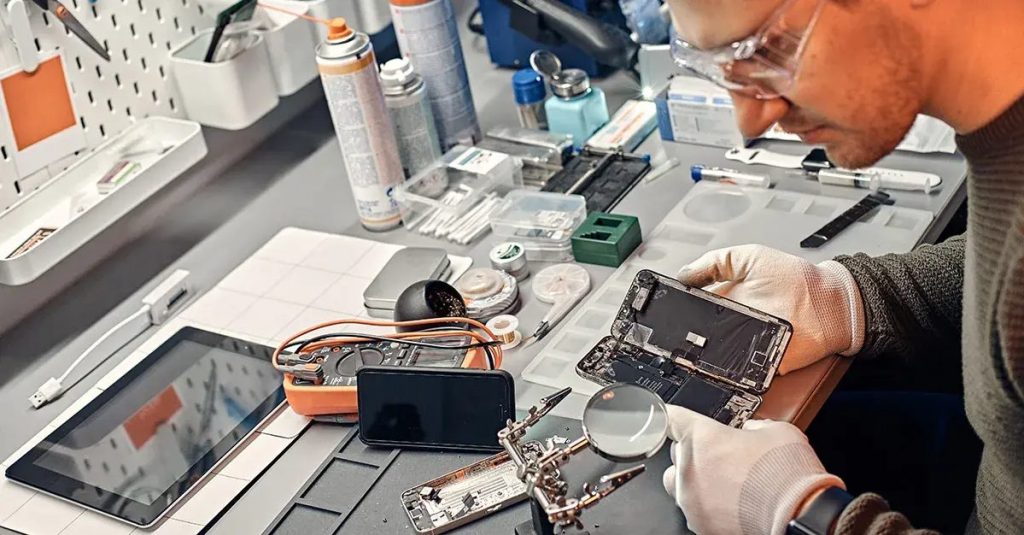
When a phone breaks, most people want it fixed as quickly as possible. That’s where this business stands out—you go directly to the customer and handle common issues like screen replacement, battery problems, or basic hardware fixes on the spot.
Speed and convenience are the main selling points. Many customers prefer a quick repair at home or work rather than waiting days at a repair shop. If you can deliver reliable results, it’s easy to build trust and get repeat or referral clients.
Best for: people with basic repair skills or willingness to learn simple device fixes
Startup cost: $100–$300 (tools, replacement parts)
How you make money:
- $20–$80 per repair (depending on issue)
- Higher pricing for urgent or on-site service
- Sell parts or offer bundled repair packages
How to get your first clients:
Start locally by offering your service in community groups or through referrals. You can also partner with small phone shops that don’t provide home service. Fast response time is a big advantage early on.
Why this works in 2026:
Device usage keeps growing, which means repair demand never goes away. Customers care about speed and convenience, and a mobile service removes the need for a physical store, keeping costs low while still allowing strong word-of-mouth growth.
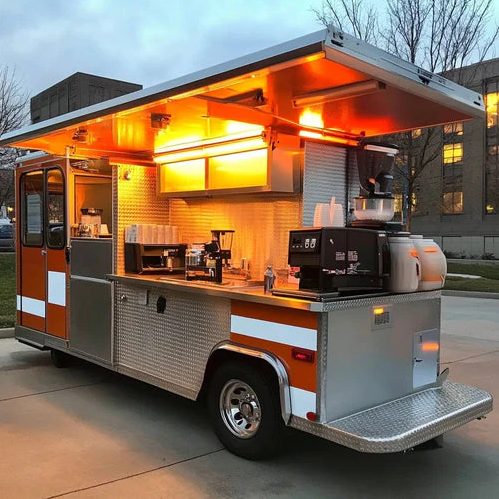
8. Mobile Coffee Cart (Micro-Brand Approach)
Turn a simple coffee cart into a small, recognizable brand you can move anywhere.
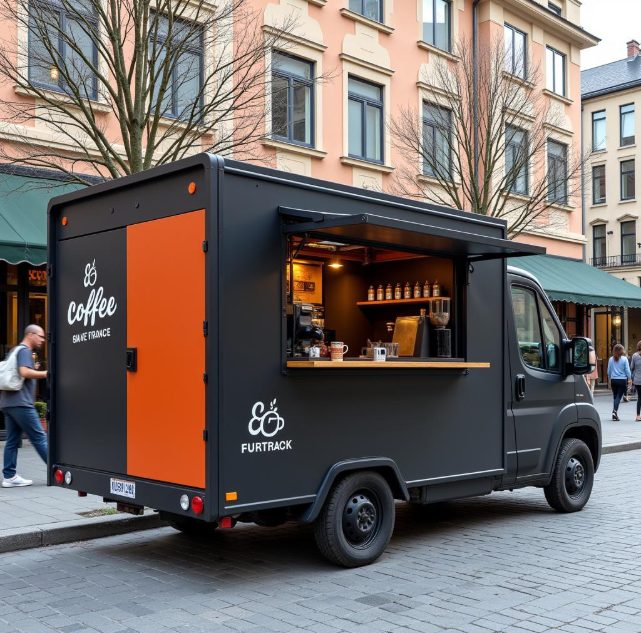
This idea goes beyond just selling drinks. You set up a compact, portable coffee station and serve customers in high-traffic areas like office zones, events, or busy streets. What makes it different is the focus on branding—your style, menu, and overall vibe become part of the experience.
Because everything is mobile, you can test different locations, adjust your offerings, and learn what works without committing to a fixed shop. Social media also plays a big role, helping you attract regular customers and build a following around your brand.
Best for: people interested in food & beverage with a creative or branding mindset
Startup cost: $300–$1,000 (cart setup, basic equipment, ingredients)
How you make money:
- $1–$3 profit per cup (depending on pricing and costs)
- Higher margins with signature drinks or add-ons
- Event bookings or private catering
- Branded products (cups, merch)
How to get your first customers:
Choose locations with consistent foot traffic and start small. A simple but unique concept—like a themed menu or visual style—can help you stand out. Posting regularly on social media also helps attract repeat customers.
Why this works in 2026:
Coffee demand is stable and part of daily routines. At the same time, customers are drawn to experiences and unique concepts, not just the drink itself. A mobile setup lowers risk while giving you flexibility to grow into a larger brand over time.
9. Mobile Content Repurposing Service
Turn long-form content into multiple short videos
Many brands and creators already have long videos—podcasts, interviews, or YouTube content—but don’t have the time to turn them into short-form clips. This is where your service fits in. You take existing footage (or film simple content on-site) and transform it into multiple short videos optimized for platforms like TikTok, Reels, or Shorts.
The value here is efficiency. Instead of producing more content, clients get more output from what they already have. This makes your service easy to sell, especially to busy teams or solo creators.
Best for: people with video editing skills who want a remote or flexible service
Startup cost: $0–$100 (editing software, basic tools)
How you make money:
- $50–$200 per batch of clips
- Monthly packages for ongoing content repurposing
- Add-ons: captions, hooks, posting, content planning
How to get your first clients:
Look for creators or businesses already posting long-form content but not active on short-form platforms. Offer a few sample clips to demonstrate how their content can be reused more effectively.
Why this works in 2026:
Content demand keeps increasing, especially on short-form platforms. Businesses need consistent output, but creating new content takes time. Repurposing solves this problem directly, making it a service with strong recurring potential.
10. Mobile AI Automation Setup for Small Businesses
Set up simple AI systems to automate daily business tasks
Many small business owners have heard about AI, but very few know how to actually use it in their daily operations. This creates a clear opportunity: you step in and help them set up simple, practical systems that save time and reduce manual work.
Your service can include things like automated replies, basic chatbots, booking systems, or simple workflows that organize customer data. The goal isn’t to introduce complex technology—it’s to make everyday tasks easier and more efficient.
Best for: people comfortable with digital tools who want a high-value service business
Startup cost: low ($0–$100 using existing AI tools)
How you make money:
- $100–$500 per setup (depending on complexity)
- Monthly support or maintenance packages
- Ongoing consulting for workflow optimization
How to get your first clients:
Focus on small businesses that are active online but still handle everything manually. Show simple before-and-after examples to demonstrate how automation can save time. Keeping your offer clear and practical makes it easier to close deals.
Why this works in 2026:
AI adoption is growing quickly, but most small businesses lack the knowledge to implement it effectively. This creates strong demand for simple, done-for-you solutions. Because the impact is tied directly to time savings and efficiency, this service can command higher pricing and lead to long-term client relationships.
Explore more business ideas:
- 18+ Unique Food Business Ideas to Launch and Succeed
- 20 Family Business Ideas to Build Wealth Together
- 25 Profitable Fitness Business Ideas to Start in 2026
3 Ways Mobile Businesses Actually Make Money
Most people focus on what to start. In reality, what matters more is how the business makes money. Once you understand this, you can apply the same logic to almost any idea—and avoid choosing something that doesn’t fit your goals.
Here are the three core ways mobile businesses generate income:
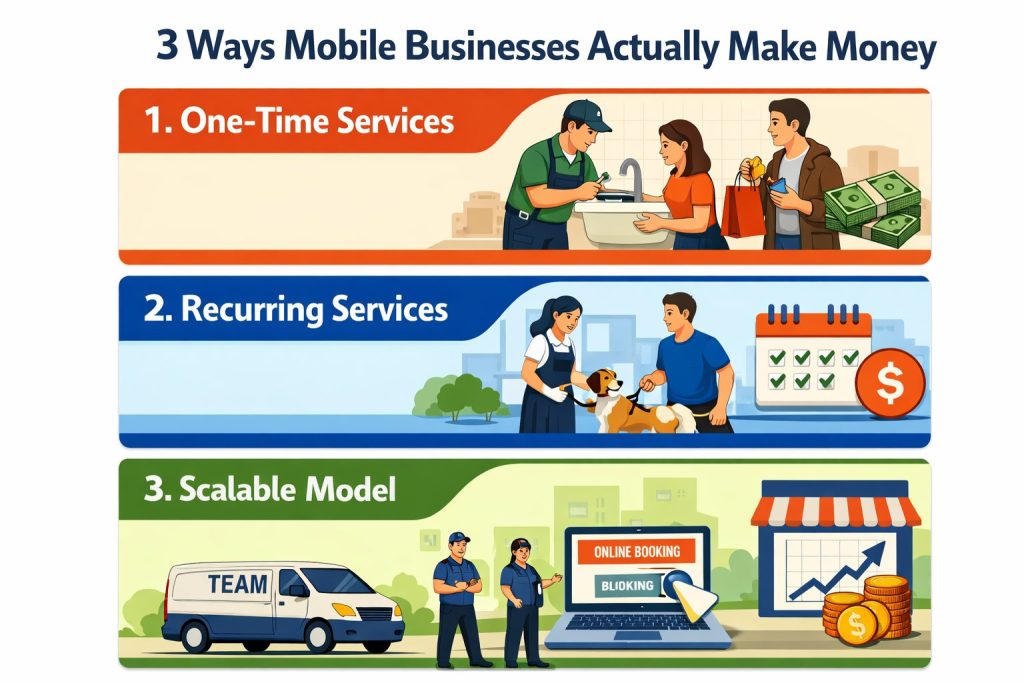
1. One-Time Services (Fast Cash, Quick Start)
This is the most straightforward model. You provide a service, complete the job, and get paid.
Examples include cleaning, car washing, repairs, or moving services. The biggest advantage is speed. You can start quickly, get your first customers within days, and generate cash flow without a complicated setup.
This model works well if your priority is:
- Starting immediately
- Earning money as soon as possible
- Testing demand with minimal risk
The downside is that income can be inconsistent. You are constantly looking for the next customer unless you build a system to bring people back.
2. Recurring Services (Stable and Predictable Income)
Instead of one-time jobs, this model focuses on repeat customers. You provide the same service on a regular schedule, such as weekly, biweekly, or monthly.
Common examples include home cleaning, maintenance services, pet care, or fitness coaching.
What makes this model powerful is stability. Over time, you build a base of clients who pay you consistently, which reduces the need to constantly find new leads.
This model is ideal if you want:
- More predictable income
- Long-term customer relationships
- A business that feels more stable and less reactive
For many mobile businesses, this is the stage where things start to feel like a “real business” rather than just a series of jobs.
3. Hybrid or Scalable Model (Beyond Trading Time for Money)
This is where mobile businesses evolve. Instead of only selling your time, you begin to package, systemize, or expand your offering.
This can include:
- Turning services into fixed packages or premium offers
- Hiring others to deliver the service
- Using a website or online channels to generate leads automatically
- Adding digital products, bookings, or subscriptions
The key shift here is that you are no longer just doing the work—you are building a system that can grow.
This model is best if your goal is:
- Scaling beyond yourself
- Increasing income without working more hours
- Building a brand, not just a service
How to Start a Mobile Business (Step-by-Step)
Starting a mobile business is less about having everything perfect and more about moving quickly with a simple, workable plan. The goal is not to build a full business from day one, but to get real customers and learn from actual demand.
Step 1: Choose a Simple, Testable Idea
At this stage, avoid anything that requires heavy setup, branding, or upfront investment. Focus on an idea that you can start with minimal tools and deliver immediately.
A good starting idea should:
- Solve a clear, practical problem
- Be easy to explain in one sentence
- Be something you can deliver within a few days
The simpler it is, the faster you can test whether people are willing to pay.
Step 2: Validate Demand Quickly
Before investing time or money, make sure people actually want your service. You don’t need complicated research—just direct validation.
You can:
- Post your service in local Facebook groups
- Ask for feedback in community forums
- Offer a limited-time service to test interest
Pay attention to real signals like messages and bookings, not just likes or comments. If people are willing to contact you, you’re on the right track.
Step 3: Get Your First Customers
Your first goal is not scale—it’s getting 1–3 paying customers as quickly as possible.
Start with:
- Friends, family, or existing contacts
- Local online communities
- Simple outreach to nearby businesses or households
Focus on delivering value, not perfection. Early customers are your best source of feedback and confidence.
Step 4: Set a Clear Offer and Pricing
Avoid complicated pricing structures. Instead, create a simple offer that customers can understand instantly.
For example:
- Fixed-price packages instead of hourly rates
- Clear scope (what’s included and what’s not)
- Easy booking or contact method
Clarity reduces hesitation and makes it easier for people to say yes.
Step 5: Build a Basic System
Once you have a few customers, start organizing how you operate.
You’ll need:
- A simple way to schedule jobs
- A consistent workflow for delivering your service
- A basic method for collecting payments
At this stage, keep everything lightweight. The goal is to reduce confusion and save time, not to build a complex system.
Step 6: Improve and Turn It into a Repeatable Process
After a few jobs, patterns will start to appear. Use that to refine your business.
You can:
- Turn one-time customers into repeat clients
- Package your service into clear offerings
- Improve your efficiency and pricing
This is where your mobile business begins to feel more stable and less dependent on constant effort.
When Should You Build a Website?
One of the biggest mistakes beginners make is building a website too early—or waiting too long.
A website is not what starts your business. It’s what amplifies what is already working. The key is knowing when it actually becomes useful.
Stage 1: No Website (Focus on Getting Customers First)
At the beginning, your only goal is simple: get your first customers and validate your idea.
You can do this through:
- Social media
- Local communities
- Direct outreach
At this stage, a website adds very little value. You don’t yet have a clear offer, pricing, or positioning. Building one too early often slows you down instead of helping.
Stage 2: Build a Simple Website (For Trust and Clarity)
Once you start getting consistent inquiries, a website becomes useful—not to impress, but to build trust and make your offer clear.
You don’t need anything complex. A simple site should answer:
- What do you offer?
- Who is it for?
- How can someone contact or book you?
This is also the moment where choosing a simple, easy-to-use theme matters.
For example, a theme like Neat works well if you want something:
- clean and minimal
- quick to set up
- focused on getting inquiries
If you prefer something a bit more structured with stronger built-in sections for showcasing services or offers, Strong is also a good option. It gives you more flexibility without making things too complicated.
The key is not the theme itself—it’s choosing something that lets you launch quickly and stay focused on getting customers, instead of spending weeks tweaking design.
Stage 3: Turn Your Website Into a Growth Tool
As your business grows, your website becomes more than just a place for information.
It starts helping you:
- attract customers through search (SEO)
- convert visitors into leads or sales
- present your brand more clearly
At this point, you don’t need to rebuild everything. You simply:
- improve your content
- add more pages or services
- optimize how people move through your site
If your foundation is simple and solid from the start, scaling becomes much easier.
Why Timing Matters
Building a website too early feels productive, but it doesn’t solve your main problem—getting customers.
Building it at the right time, however, helps you:
- look more professional
- convert better
- grow more consistently
FAQs for Mobile Business Ideas 2026
Starting a mobile business often raises practical questions—especially if you’re doing it for the first time. Here are the most common ones, answered clearly and realistically.
What is the cheapest mobile business to start?
The cheapest mobile businesses are usually service-based, because they don’t require inventory or a physical location.
Examples include:
- cleaning services
- tech support
- content creation
- errand or personal services
In many cases, you can start with tools you already own. The real cost is not money, but your time and effort to get the first customers.
Do I need a license to start a mobile business?
It depends on your location and the type of service you offer.
Some mobile businesses (like food services or certain repairs) may require permits or certifications. Others, especially simple service-based work, can be started quickly with minimal paperwork.
The safest approach is:
- check local regulations
- start small and stay compliant as you grow
Don’t let this stop you from starting, but don’t ignore it either.
Can I run a mobile business part-time?
Yes—and this is actually how many people start.
Mobile businesses are flexible by nature, so you can:
- work evenings or weekends
- take on a limited number of clients
- scale up gradually
Starting part-time reduces risk and allows you to test your idea before committing fully.
How do mobile businesses get customers?
In the beginning, most customers come from simple and direct sources:
- local Facebook groups or community platforms
- word-of-mouth referrals
- direct outreach
As you grow, you can expand into:
- social media content
- Google search (SEO)
- your website
The key is to focus on getting your first few customers first, then building systems later.
What is the biggest mistake beginners make?
The most common mistake is overthinking instead of starting.
People often:
- spend too much time researching
- try to perfect branding or websites
- wait for the “perfect idea”
In reality, the fastest way forward is:
- pick one idea
- test it quickly
- learn from real feedback
Action creates clarity much faster than planning.
In Conclusion,
Mobile businesses are not a shortcut to easy money—but they are one of the few ways you can start small, move quickly, and build something real without a large upfront investment.
The advantage is simple: you don’t need a perfect idea, a big budget, or a detailed plan. You just need something you can offer, a way to reach people, and the willingness to start before everything feels ready.
If there’s one thing to take away, it’s this: The best mobile business is not the most unique one—it’s the one you can actually start and improve over time.
Pick an idea that fits your current situation. Get your first customer. Learn from experience. Then refine, adjust, and grow from there.
Most people stay stuck in the research phase. The ones who succeed are the ones who take action early and figure things out along the way.
If you’re serious about starting, don’t wait for the perfect moment. Start with what you have, keep it simple, and build from real demand.