
Starting a business used to mean high upfront costs, inventory risks, and long setup times. But with 3D printing, that barrier is much lower. Today, anyone can turn a simple idea into a physical product—and start selling it online within days.
The demand for custom, niche, and made-to-order products is growing fast. From personalized gifts to replacement parts and hobby accessories, 3D printing opens up opportunities that traditional manufacturing simply can’t match. You don’t need a warehouse, a large team, or even a huge budget to get started. With platforms like Etsy and Shopify, even beginners can test products and build a small online business from home.
But not every idea actually makes money.
In this guide, you’ll discover 10 profitable 3D printing business ideas you can start with a low budget, along with practical insights on how they work, how much you can earn, and how to choose the right direction for you.
Table of Contents
What Is a 3D Printing Business?
A 3D printing business is a small-scale manufacturing model where you create physical products using a 3D printer and sell them for profit. Instead of producing items in bulk, products are typically printed on demand—often one at a time—based on customer needs. Most businesses in this space operate in three main ways: selling finished products, offering custom printing services, or selling digital design files (STL files) for others to print.
One of the main reasons this business model is growing so quickly is accessibility. 3D printers are now more affordable and easier to use than ever, making it possible for beginners to start from home with a relatively low investment. At the same time, consumer demand is shifting toward personalized and niche products. People are increasingly looking for unique, custom, or hard-to-find items—something that traditional mass production often cannot provide.
Another key factor is the rise of online platforms. Marketplaces like Etsy and content platforms like TikTok allow creators to test ideas, reach customers, and build an audience without needing a physical store. A simple product that solves a specific problem or fits a niche trend can gain traction quickly, even for beginners.
Pros:
- Low barrier to entry — you can start from home with a relatively small investment
- No need for inventory — products are made on demand
- High potential in niche and custom products
- Flexible business model (sell products, services, or digital files)
- Easy to test ideas quickly without big risk
Cons:
- Production is slow — each item can take hours to print
- Finding a product that actually sells takes time
- Quality control can be an issue (failed prints, defects)
- Competition is high in popular niches
3 Common Types of 3D Printing (For Beginners)
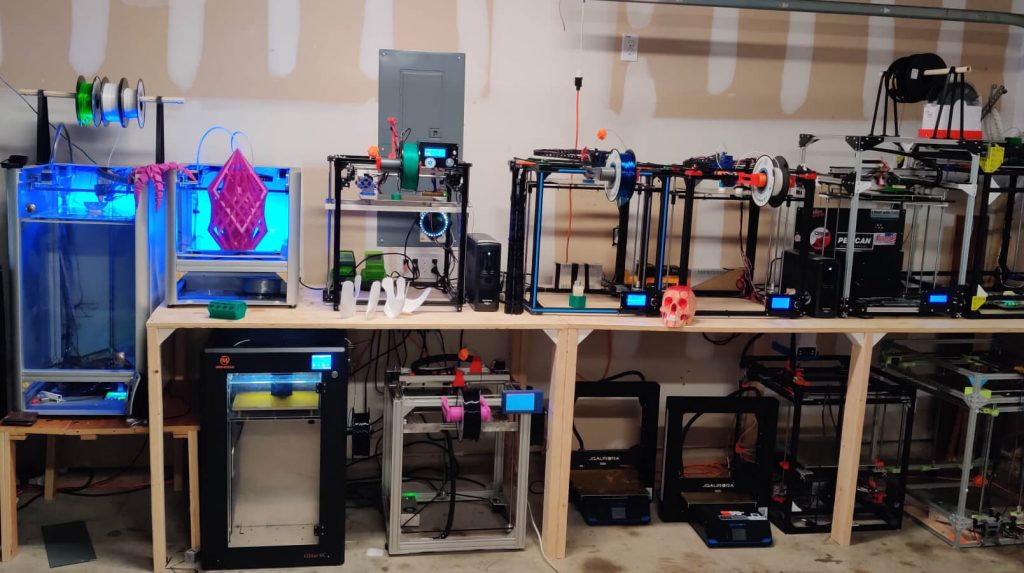
There are several types of 3D printing technologies, but most small businesses only use a few of them. Here are the ones you should know:
- FDM (Fused Deposition Modeling) is the most common and beginner-friendly option. It works by melting plastic filament and building objects layer by layer. FDM printers are affordable, easy to use, and suitable for a wide range of products like home decor, tools, and everyday items. This is the best starting point for most beginners.
- Resin printing (SLA or MSLA) is designed for high-detail products. It uses liquid resin cured by light to create smoother and more precise objects. This makes it ideal for jewelry, miniatures, and detailed designs, but it requires more post-processing and slightly higher costs.
- SLS (Selective Laser Sintering) is a more advanced technology typically used in industrial settings. It produces strong and durable parts without the need for support structures, but the machines are expensive and not suitable for beginners.
For most people starting a 3D printing business, FDM is the most practical choice. You can always explore resin printing later if your products require higher detail, while technologies like SLS are usually unnecessary at the early stage.
You can refer to more business ideas to sell online below:
- 10 Mobile Business Ideas You Can Start With Under $500 (2026 Guide)
- 18+ Unique Food Business Ideas to Launch and Succeed
- 20 Family Business Ideas to Build Wealth Together
- 25 Profitable Fitness Business Ideas to Start in 2026
- 10+ Weird Business Ideas That Made Millions
How to Choose the Right 3D Printing Business Idea
Choosing the right idea matters more than the printer you use. Many beginners fail not because of the technology, but because they spend time printing products that no one actually wants to buy. Instead of focusing on what looks cool, you need to focus on what solves a real problem or fits a specific demand.
Focus on Function, Not Just Looks
It’s easy to get excited about visually impressive designs, but in most cases, functional products perform better. Items that solve small, everyday problems—like organizing cables, fixing broken parts, or improving convenience—tend to convert much more consistently than purely decorative items.
If a product has a clear use, people don’t need much convincing to buy it.
Avoid Saturated Designs
Many beginners start by printing popular designs they find online. The problem is that hundreds of other sellers are often doing the exact same thing.
If you search for a product and see dozens (or hundreds) of nearly identical listings, it’s a sign that competition is already high. Instead of competing on the same designs, look for ways to differentiate—whether through better functionality, a specific niche, or small improvements that others haven’t made.
Validate Demand Before You Invest Time
One of the biggest mistakes is assuming that something will sell without testing it. Just because a product looks useful doesn’t mean people are actively searching for it.
Before spending hours printing and refining a product, try to validate demand. This can be as simple as:
- Checking similar listings on marketplaces
- Looking at reviews and complaints
- Asking potential customers or communities
The goal is to confirm that real people actually want what you’re planning to make.
Start Small and Improve Over Time
You don’t need the perfect product from the beginning. In fact, most successful sellers start with simple ideas and improve them based on feedback.
Focus on getting your first few sales, then refine your designs, adjust pricing, and explore variations. This approach is much more effective than trying to build a “perfect” product before ever testing it in the market.
Once you understand what makes a good product, the next step is choosing ideas that already have demand and real earning potential.
10 Profitable 3D Printing Business Ideas
Not all 3D printing ideas are worth your time. Some take too long to produce, while others simply don’t have real demand. The key is to focus on products that are easy to print, solve a specific problem, or appeal to a clear niche.
Below are 10 profitable 3D printing business ideas that are beginner-friendly and have real earning potential—based on what people are already buying today.
1. Custom Phone Accessories
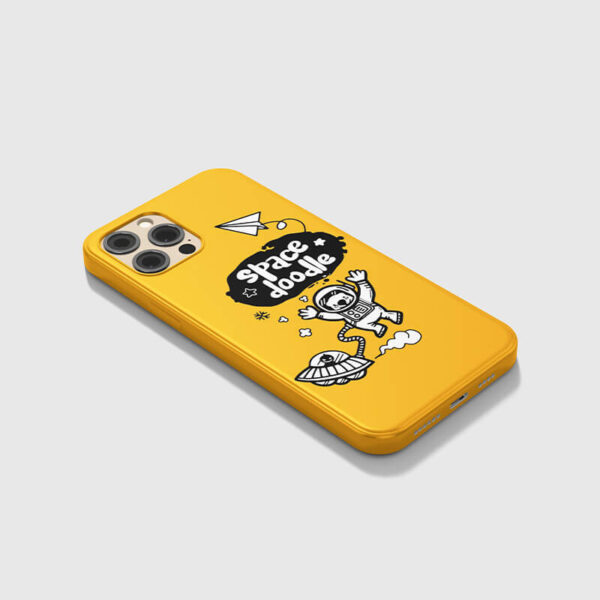
Custom phone accessories are one of the easiest ways to start a 3D printing business because the demand is constant and the products are simple to produce. Instead of competing with mass-produced phone cases, you can focus on small, functional items like phone stands, cable organizers, MagSafe-compatible mounts, or desk holders designed for specific use cases.
What makes this niche attractive is the ability to target micro-problems. For example, a stand designed specifically for video calls, a compact travel stand, or a cable clip that fits a certain desk setup. These small improvements can make a big difference in daily use—and people are willing to pay for convenience.
Most of these products are lightweight, require relatively low material cost, and can be printed within a few hours, making them ideal for beginners. You can also easily customize designs by adding names, colors, or slight modifications, which increases perceived value without significantly increasing production time.
Price range: $8–$25
Why this works: Consistent demand, fast production, and strong potential for niche differentiation
Pro Tip: To stand out, focus less on generic designs and more on solving specific problems that users actually face in their daily routines.
2. Home Decor & Minimalist Items
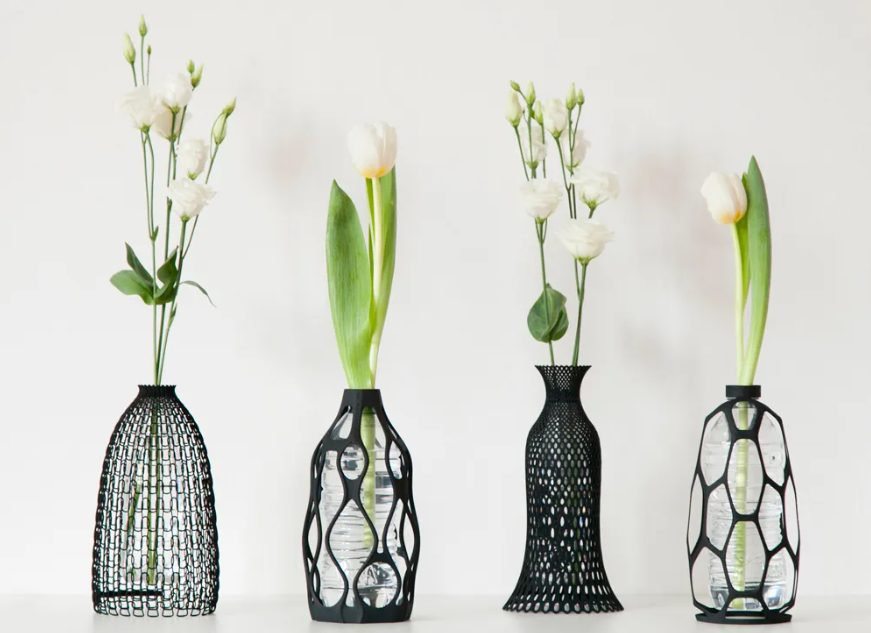
Home decor is one of the most popular and scalable niches for 3D printing, especially if you focus on minimalist or aesthetic designs. Instead of competing with mass-produced items, you can create unique pieces like vases, planters, desk organizers, wall art, or small decorative objects that fit modern interior styles.
What makes this niche attractive is that people are often buying based on design and visual appeal, not just functionality. A simple object with a clean shape, good proportions, and the right color can sell at a much higher price than its material cost. This gives you strong margin potential even with relatively simple prints.
Another advantage is flexibility. You can easily create variations of the same product—different sizes, colors, or slight design tweaks—without needing to redesign everything from scratch. This makes it easier to build a product line instead of relying on a single item.
Most decor items are also lightweight and easy to ship, which helps reduce logistics complexity, especially when selling online.
Price range: $15–$50
Why this works: High perceived value, strong demand for aesthetic products, and easy product variations for scaling
Pro Tip: To stand out, focus on clean, modern designs and target specific aesthetics (minimalist, Japandi, workspace setups) rather than generic decor.
3. Tabletop Gaming Accessories (D&D, Warhammer)
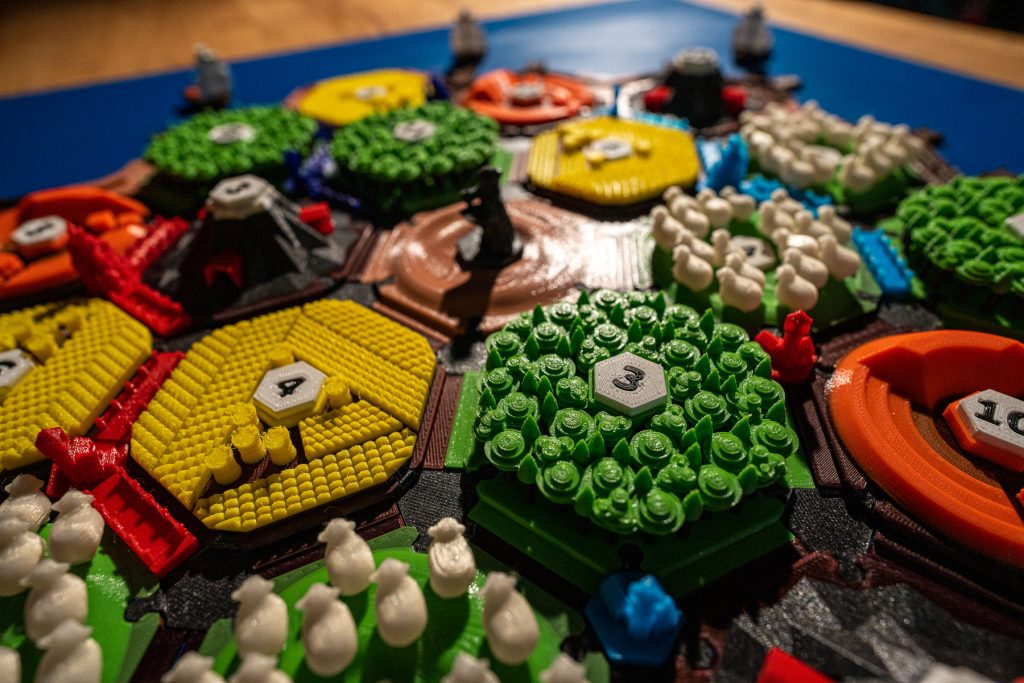
Tabletop gaming is one of the most profitable niches for 3D printing, especially if you target communities like Dungeons & Dragons or Warhammer. Instead of selling generic items, you can create highly specific products such as dice holders, miniature figures, terrain pieces, storage boxes, or custom accessories designed for gameplay.
What makes this niche powerful is the audience. Players are deeply engaged and often willing to spend money to enhance their experience. Many of them are constantly looking for unique, themed, or personalized items that aren’t available in mass production. This creates strong demand for custom designs and small-batch products.
Another advantage is repeat purchasing. Unlike one-time products, tabletop gamers tend to buy multiple items over time—new miniatures, upgraded terrain, or accessories for different campaigns. This gives you the opportunity to build a loyal customer base instead of relying on one-off sales.
However, detail matters in this niche. For smaller items like miniatures, resin printing is often preferred due to higher precision, while larger terrain pieces can be produced using FDM printers.
Price range: $10–$60+
Why this works: Passionate niche, repeat buyers, and high willingness to pay for customization and detail
Pro tip: Don’t try to create everything from scratch. Start by focusing on one specific sub-niche—like dice holders or terrain pieces—and build variations around it. Also, pay close attention to what players are already buying on platforms like Etsy, then improve on those designs instead of reinventing the wheel.
4. Replacement Parts (High-Demand Niche)
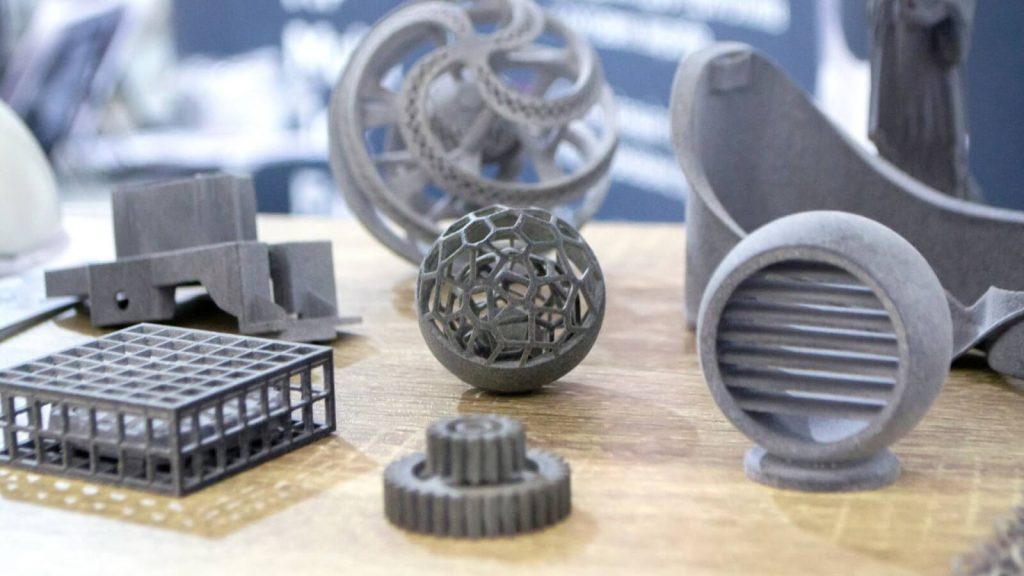
Replacement parts are one of the most overlooked—but highly profitable—3D printing business ideas. Instead of creating decorative or trendy products, you focus on small, functional items that people urgently need but can’t easily find. These can include clips, knobs, brackets, mounts, hinges, or broken plastic components from household items, appliances, or furniture.
What makes this niche powerful is intent. Customers searching for replacement parts are not browsing—they are trying to fix a problem. This means higher conversion rates compared to more “optional” products like decor or accessories. In many cases, people are willing to pay a premium simply because the original part is discontinued or hard to find.
Another advantage is low competition at the micro level. While the niche itself is broad, each individual product (e.g., a specific clip for a specific model) often has very few sellers. Once you identify a demand, you can dominate that small segment.
However, accuracy is critical. Measurements need to be precise, and products must fit perfectly, which may require multiple test prints and adjustments.
Price range: $5–$20
Why this works: Solves an urgent problem, high conversion intent, and low competition in specific product niches
Pro tip: Look for broken or missing parts in everyday items (or browse forums and Reddit for common complaints). If people are asking “where can I find this part?”, that’s often a strong signal of real demand.
5. Personalized Gifts
Personalized gifts are one of the most reliable ways to make money with 3D printing because they tap into emotional buying. Instead of selling generic products, you create items that feel unique to each customer—such as name keychains, custom plaques, date-based keepsakes, or small decorative pieces with personal messages.
What makes this niche strong is that customers are not just buying a product—they’re buying meaning. Gifts for birthdays, anniversaries, weddings, or holidays often have a higher perceived value, which allows you to charge more even if the material cost is low. A simple item can become premium just by adding personalization.
Another advantage is that you don’t need complex designs. You can create a base model and then customize names, dates, or small details for each order. This makes it scalable while still feeling “custom” to the buyer.
Demand is also consistent year-round, with spikes during major holidays like Christmas or Valentine’s Day. This gives you predictable opportunities to increase sales.
Price range: $10–$40
Why this works: Emotional buying, higher perceived value, and easy customization for scalable production
Pro tip: Offer a few clear customization options instead of unlimited choices. This keeps production simple while still giving customers the feeling of a personalized product.
6. Jewelry & Fashion Accessories
Jewelry and fashion accessories are a strong niche for 3D printing, especially if you focus on unique, design-driven pieces rather than traditional styles. You can create items like earrings, pendants, rings, hair clips, or statement accessories that stand out through shape, texture, or color.
What makes this niche attractive is the high perceived value. Even though the material cost is low, customers are willing to pay more for items that look stylish, creative, or different from what they can find in regular stores. This creates strong margin potential, especially for small, lightweight products that are quick to produce and easy to ship.
Detail plays an important role here. Resin printing is often preferred for jewelry because it produces smoother surfaces and finer details, which are important for aesthetic appeal. However, FDM can still work well for bold, minimalist designs.
Another advantage is brand potential. Unlike purely functional products, fashion items allow you to build a recognizable style or identity, which can lead to repeat customers and higher pricing over time.
Price range: $10–$35
Why this works: High perceived value, low material cost, and strong potential for branding and differentiation
Pro tip: Focus on a specific style (minimalist, bold, geometric, etc.) instead of trying to appeal to everyone. A clear design identity makes your products more memorable and easier to market.
7. Educational Models (STEM Learning)
Educational models are a stable and often underrated niche for 3D printing. Instead of trend-based products, you create items that help people learn—such as human anatomy parts, geometric shapes, molecular structures, or simple science kits for classrooms and home education.
What makes this niche attractive is its long-term demand. Schools, teachers, students, and parents are constantly looking for visual and hands-on learning tools, especially in STEM subjects. Unlike trend-driven niches, these products don’t go out of style quickly, which makes them more predictable over time.
Another advantage is lower competition compared to more saturated categories like decor or accessories. Many sellers avoid this niche because it feels less “creative,” but that also means fewer competitors focusing on it seriously.
You can also bundle products into sets—for example, a complete geometry kit or a group of anatomy models—which helps increase average order value and makes your offer more appealing.
Price range: $15–$60 Why this works: Consistent demand, less competition, and strong potential for bundling and repeat purchases
Pro tip: Focus on clarity and usefulness over complexity. Simple, well-designed models that clearly demonstrate a concept often sell better than overly detailed ones.
8. Pet Accessories
Pet accessories are a strong niche because pet owners are often willing to spend on products that improve their pets’ comfort, safety, or daily routine. With 3D printing, you can create items like custom pet tags, feeding tools, treat dispensers, toy parts, or small organizers for pet supplies.
What makes this niche attractive is the combination of practicality and personalization. Many products solve small but real problems—like organizing leashes, measuring food portions, or replacing broken toy parts—while also allowing customization such as names or unique designs. This increases perceived value without adding much complexity to production.
Another advantage is the emotional factor. People treat pets like family, which makes them more likely to purchase items that feel thoughtful or tailored. This can lead to higher conversion rates compared to purely functional products.
Most pet accessories are relatively small, lightweight, and easy to ship, making them beginner-friendly from both production and logistics perspectives.
Price range: $8–$30 Why this works: Strong emotional buying, practical use cases, and good potential for customization
Pro tip: Focus on solving specific, everyday problems for pet owners. Products that make feeding, organizing, or caring for pets easier tend to perform better than purely decorative items.
9. Cosplay & Props
Cosplay and props are a high-value niche where 3D printing can really stand out. You can create items like masks, armor pieces, helmets, weapons (non-functional), or accessories for characters from games, movies, and anime. Unlike small everyday products, these items are often larger, more detailed, and designed to match specific characters or themes.
What makes this niche attractive is the pricing potential. Cosplayers and content creators are often willing to pay significantly more for accurate, well-designed props—especially if they save time compared to building everything from scratch. Even a single product can generate higher revenue compared to multiple small items in other niches.
Another advantage is customization. Many buyers look for slight modifications to fit their size, style, or character variation. This allows you to charge extra while offering a more personalized experience.
However, production time is longer, and finishing work (sanding, painting, assembling) can be required to achieve a professional look. This means fewer orders, but higher value per order.
Price range: $30–$150+ Why this works: High perceived value, strong niche communities, and willingness to pay for accuracy and customization
Pro tip: Start with smaller accessories (like masks or parts) instead of full costumes. They’re easier to produce, faster to ship, and still have strong demand.
10. Niche Tools (Kitchen, Office, Everyday Hacks)
Niche tools are one of the most practical and underrated 3D printing business ideas. Instead of focusing on aesthetics, you create small products that solve specific, everyday problems—like bag clips, cable organizers, drawer dividers, phone stands, or kitchen helpers for cutting, measuring, or storage.
What makes this niche powerful is simplicity. These products are usually small, quick to print, and easy to design, which makes them ideal for beginners. At the same time, they have clear use cases. When a product solves a real problem—like organizing messy cables or keeping food fresh—people are much more likely to buy without hesitation.
Another advantage is volume potential. Unlike high-ticket items, these products are often purchased in multiples or bundled together, which can increase your average order value over time.
However, competition can be high for generic designs. To stand out, you need to focus on specific use cases or improve existing products with better design, size, or functionality.
Price range: $5–$20 Why this works: Clear problem-solving products, fast production, and strong potential for repeat or bundled purchases
Pro tip: Look for small daily frustrations in your own life or in online communities. The best-selling products in this niche often come from simple problems that people didn’t realize had a solution.
How to Start a 3D Printing Business (Step-by-Step)
Starting a 3D printing business is easier than ever, but many beginners waste money by buying equipment before understanding what they actually want to sell. The goal is not to build the “perfect setup” from day one—it’s to start small, validate demand, and improve over time.
Step 1: Choose a Profitable Niche
Your niche matters more than your printer. Instead of trying to sell random products, focus on a specific category with clear demand—such as replacement parts, gaming accessories, home decor, or personalized gifts.
A good niche usually has three things:
- People are already spending money on it
- Products are relatively easy to print
- There’s room for customization or improvement
Avoid starting with overly broad or saturated categories. It’s much easier to stand out in a smaller niche than compete against hundreds of generic sellers.
Step 2: Get the Right 3D Printer
For most beginners, an affordable FDM printer is the best place to start. It’s cheaper, easier to maintain, and suitable for a wide variety of products. Resin printers are better for high-detail items like miniatures or jewelry, but they require more cleanup and post-processing.
You also don’t need an expensive computer in the beginning. A decent mid-range laptop or PC is usually enough for slicing software and basic design work.
Besides the printer itself, remember to budget for:
- Filament or resin
- Basic tools and maintenance
- Failed prints and test materials
- Shipping supplies
Start with a simple setup and upgrade later based on what actually sells.
Step 3: Test and Validate Product Ideas
One of the biggest mistakes beginners make is printing products before validating demand. Just because something looks cool doesn’t mean people want to buy it.
Before committing too much time or money, try to test your ideas:
- Browse Etsy and similar marketplaces
- Read reviews and customer complaints
- Check what products are repeatedly selling
- Show prototypes to potential buyers
The best products are often simple items that solve a specific problem rather than flashy designs with no practical use.
Step 4: Start Selling on Marketplaces
For most beginners, marketplaces are the fastest way to get initial sales. Platforms like Etsy already have built-in traffic, making it easier to test products without needing to build an audience from scratch.
At this stage, focus on:
- Clear product photos
- Simple but keyword-optimized titles
- Competitive pricing
- Fast response times
Don’t try to launch dozens of products immediately. Start with a few strong listings, learn what works, and improve based on customer feedback.
Step 5: Build Your Own Website to Scale
Marketplaces are great for getting your first sales, but relying on them long-term can limit your growth. As your products start gaining traction, building your own website gives you more control over branding, pricing, and customer relationships.
This becomes especially important in visual niches like home decor, personalized gifts, cosplay props, or gaming accessories, where presentation plays a major role in buying decisions. A professional storefront can make your products feel more trustworthy and increase perceived value.
At this stage, many sellers move to platforms like Shopify to create a more scalable online store. Using a clean, conversion-focused Shopify theme like Neat can also improve the shopping experience and help your products stand out more effectively.
Your website doesn’t need to be complicated in the beginning. Even a simple store with strong product photos, clear descriptions, and a well-designed layout can make a big difference as your business grows.
Frequently Asked Questions
Is a 3D printing business profitable in 2026?
Yes, a 3D printing business can be profitable in 2026, especially if you focus on niche or problem-solving products instead of generic designs. Products like replacement parts, gaming accessories, personalized gifts, and functional tools often have stronger demand and better margins than novelty items.
Profitability depends more on product selection, production efficiency, and branding than the printer itself.
How much money do you need to start a 3D printing business?
Many beginners start with a budget of around $300–$1,000, depending on the printer and materials they choose. An entry-level FDM printer, filament, basic tools, and a mid-range laptop are usually enough to get started.
You don’t need a large setup in the beginning. Starting small and validating product demand first is often the lower-risk approach.
What is the best 3D printer for starting a small business?
For most beginners, FDM printers are the best starting point because they are affordable, easier to maintain, and suitable for many product types. Resin printers are better for highly detailed products like jewelry or miniatures, but they require more cleanup and post-processing.
The “best” printer ultimately depends on the type of products you want to sell.
Can you start a 3D printing business without design skills?
Yes. Many beginners start by using ready-made STL files or licensed designs before learning how to create their own models. Over time, basic design and customization skills can become a major advantage, but they are not required on day one.
What matters most at the beginning is understanding demand and choosing products people actually want to buy.
Is 3D printing a good side hustle for students or beginners?
Yes. One of the biggest advantages of 3D printing is the relatively low barrier to entry. You can start from home, test products with small investments, and scale gradually over time.
However, success usually comes from choosing the right niche and understanding customer demand—not just owning a printer.
What are the biggest mistakes beginners make in 3D printing businesses?
Some of the most common mistakes include:
- Printing products with no real demand
- Competing in saturated niches
- Underpricing products
- Investing too much before validating ideas
- Ignoring branding and presentation
Many successful sellers start small, test products early, and improve gradually based on customer feedback.
Final Thoughts: Is a 3D Printing Business Worth It in 2026?
Yes—but probably not in the way most beginners imagine.
A 3D printing business is rarely about buying a printer and instantly making money. The real challenge is finding products that people genuinely want to buy and building a system that can produce them consistently.
The good news is that the barrier to entry is lower than ever. You can start from home with relatively little investment, test ideas quickly, and gradually improve your products over time. For beginners, that flexibility makes 3D printing one of the more accessible side business models available today.
At the same time, competition is growing. Generic products and copied designs are becoming harder to sell, which means long-term success depends more on niche selection, problem-solving, branding, and product quality than the printer itself.
In the end, the biggest advantage of 3D printing isn’t just the technology—it’s the ability to turn ideas into real products quickly and test what people are actually willing to pay for.